
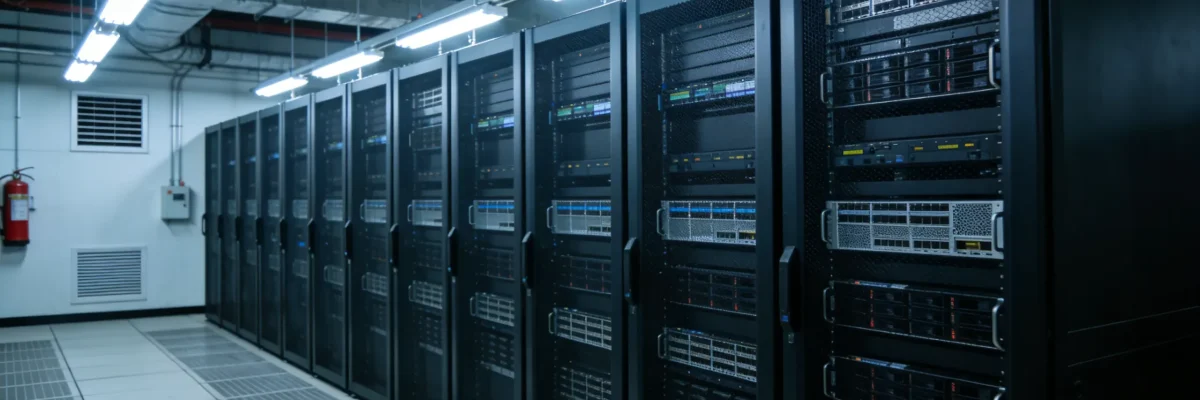
Data Center and Server Rooms Fire Protection System
Data Center and Server Rooms Fire Protection System
Don’t Let Fire Shutdown Your Digital Lifeline ——Integrated Fire Protection
Solutionsfor Every Data Environment.
A data center fire protection system is a specialized, integrated solution designed to provide early smoke detection and rapid fire suppression to safeguard critical IT infrastructure, ensuring zero data loss and business continuity without damaging sensitive electronic equipment.
Data Center Scenarios
Data centers and server rooms (IDC) house expensive IT equipment and mission-critical business data, so their fire protection requirements are far higher than those of conventional buildings. Due to the high density of precision electronics, cabling, and high-power systems, the core design principles are non-damaging fire suppression, rapid cooling, and effective isolation. Generally, there are three main types of facilities:
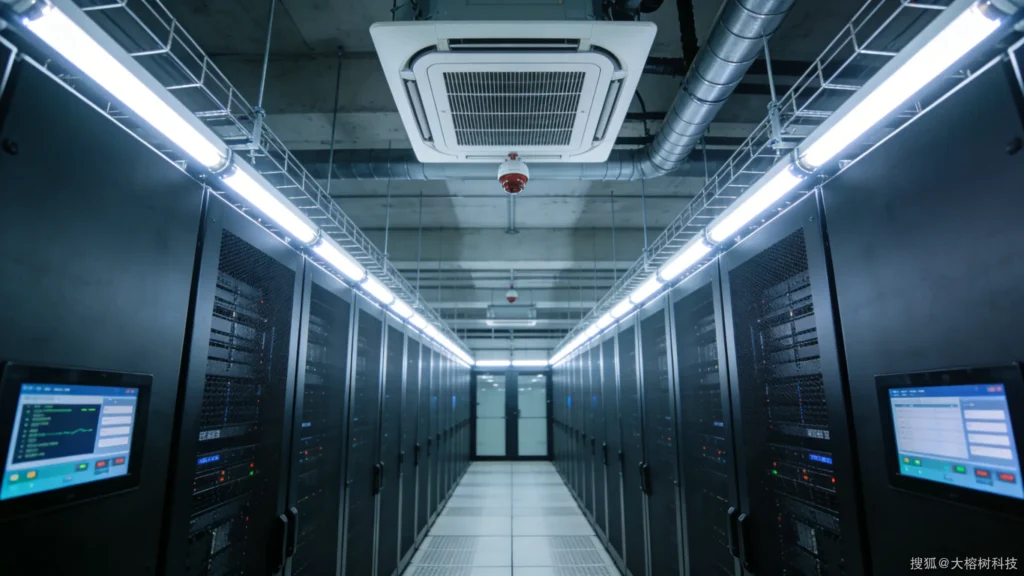
IDC (Internet Data Center)
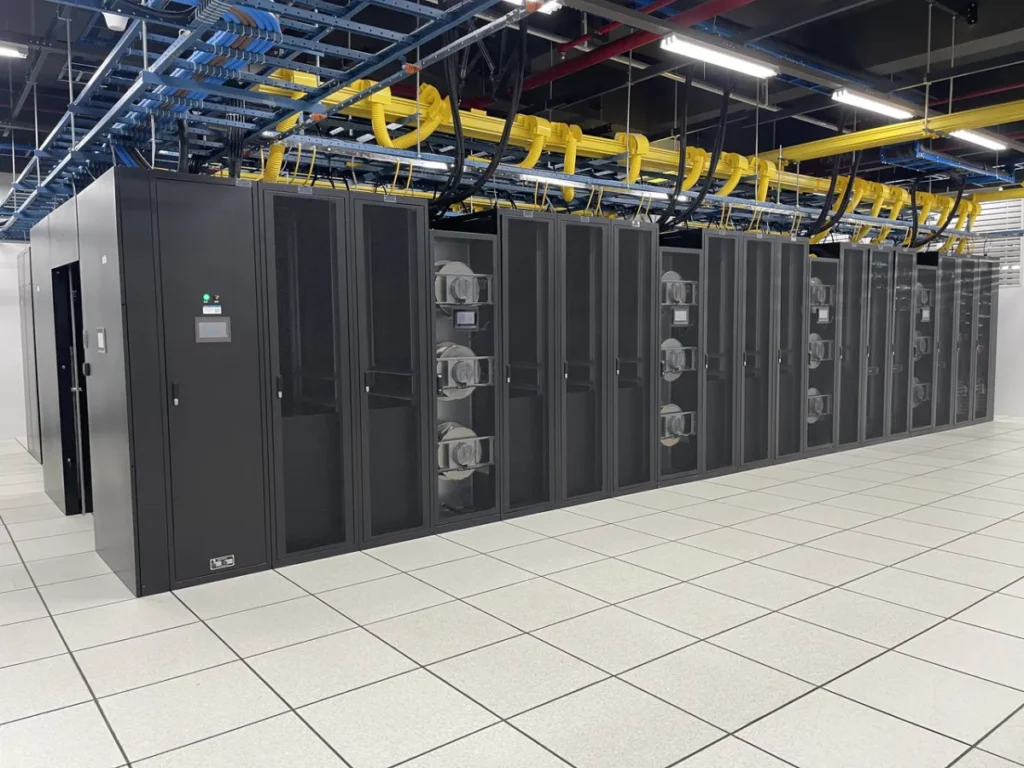
AI computing centers
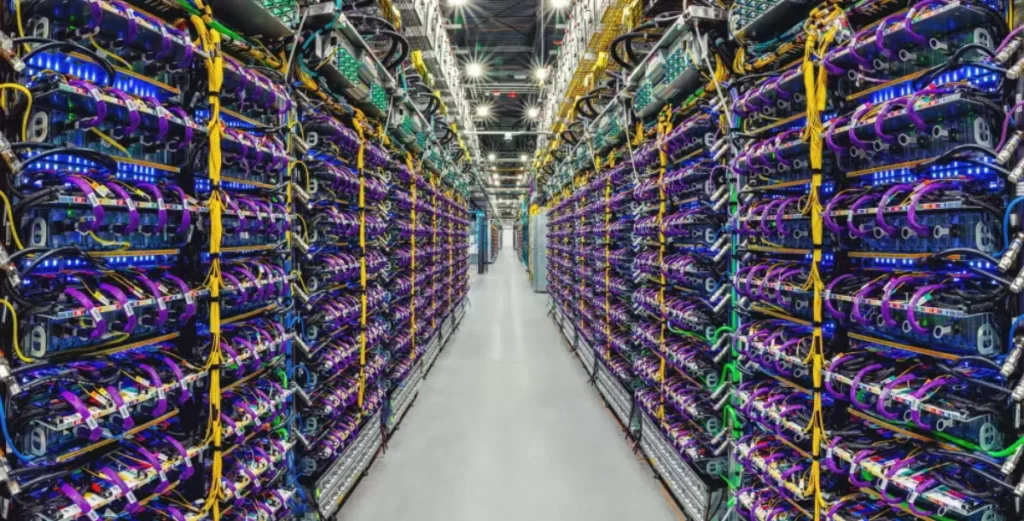
Cryptocurrency mining facilities
Although all of them are “data/computing rooms” dominated by electronic equipment, their operating environments and asset sensitivity differ significantly. As a result, the corresponding fire protection systems must also be tailored accordingly.
| Feature | IDC | AI Computing Center | Mining Farm |
|---|---|---|---|
| Primary Risks | Electrical short circuits | Extreme heat density, liquid cooling leaks | Cable overload, dust accumulation, fan ignition |
| Environmental Requirements | Clean, constant temperature & humidity | Strict vibration control, liquid cooling integration | High ventilation demand, dust protection |
| Asset Sensitivity | High | Very High | Medium / Low |
Fire Protection Technical Solutions
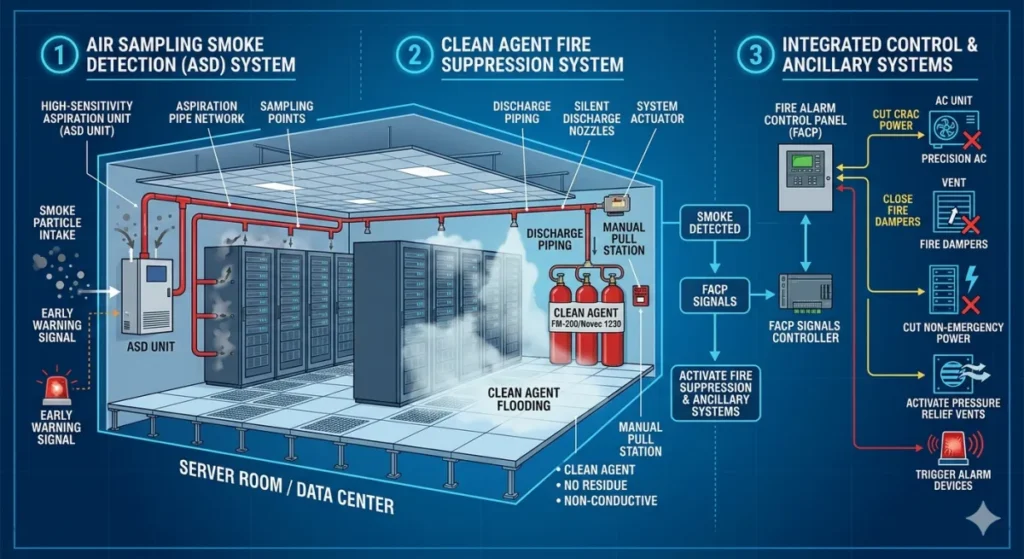
Data center fire protection systems consist of three core subsystems: detection, suppression, and system integration, ensuring full-process protection from early warning to rapid response.
1. Automatic Fire Alarm System
Smoke + Heat Detection:
Combines smoke detectors and heat detectors to provide early fire detection with reliable dual-confirmation alerts, enabling faster and more accurate response.
VESDA System
Optionally, VESDA technology can be deployed. By continuously sampling air through a piping network, it enables very early smoke detection, triggering alarms minutes or even hours before visible flames occur.
The system can detect microscopic smoke particles at the early stage of cable overheating and provides full coverage across server racks, raised floors, and ceiling voids, ensuring no blind spots.
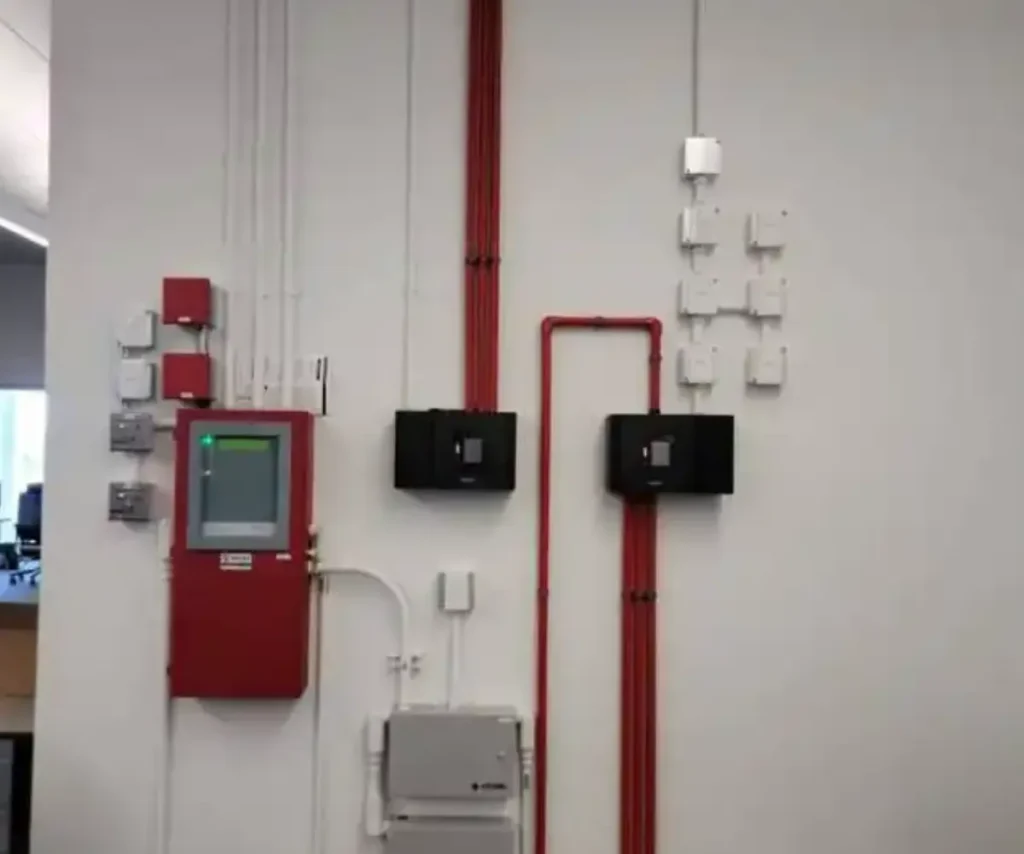
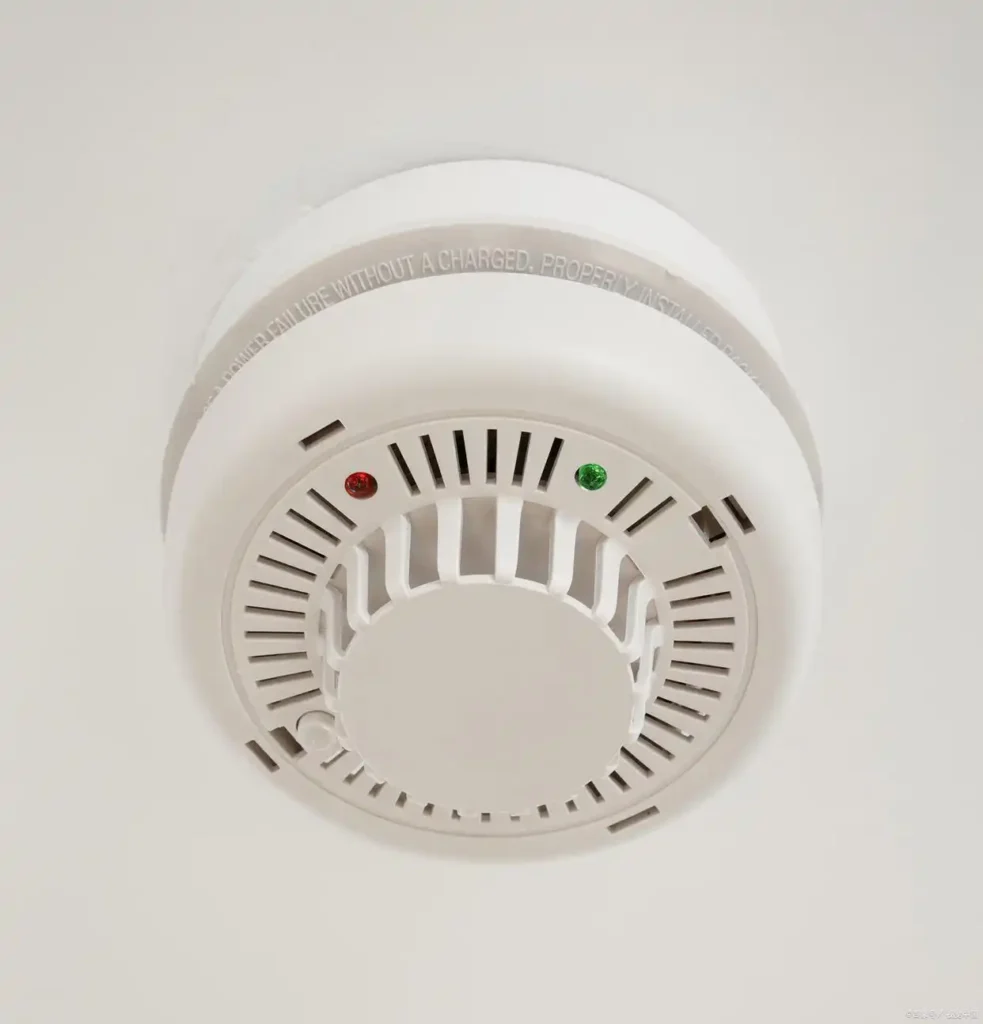
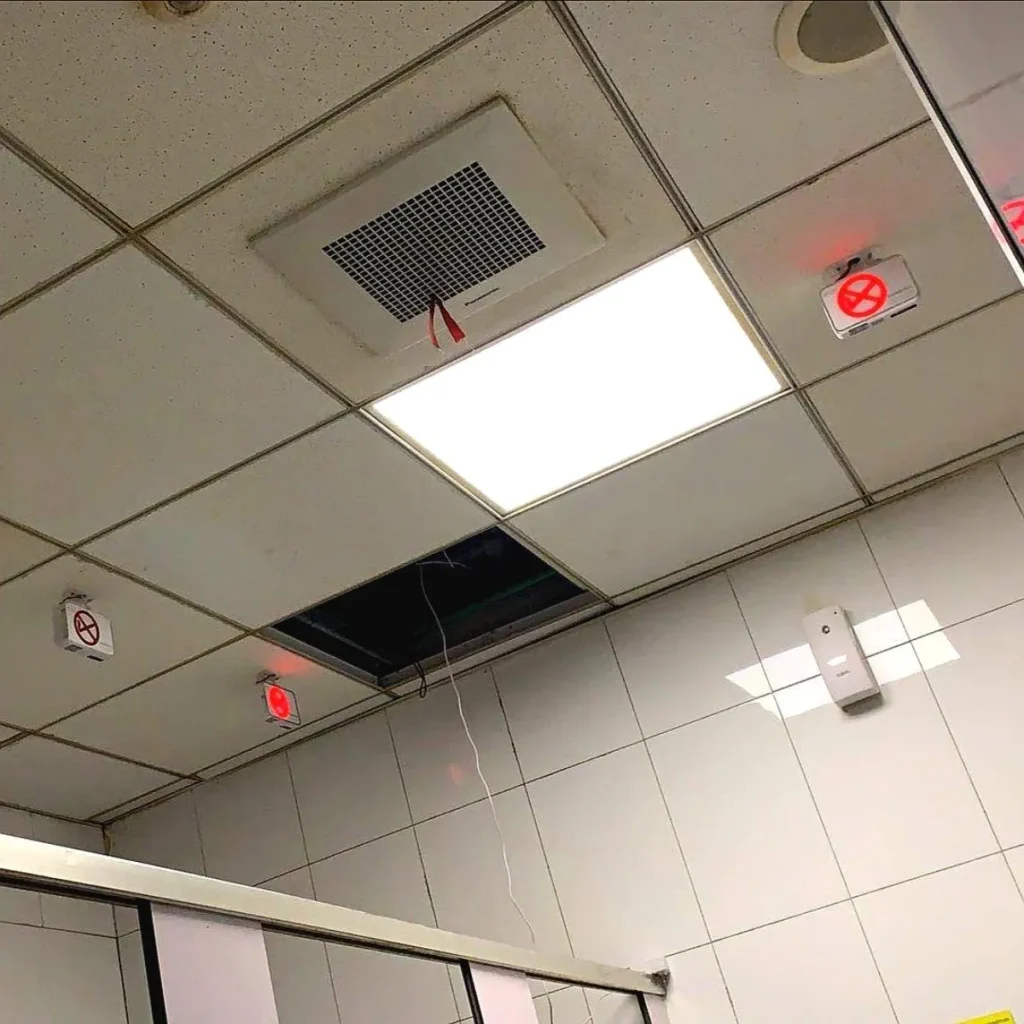
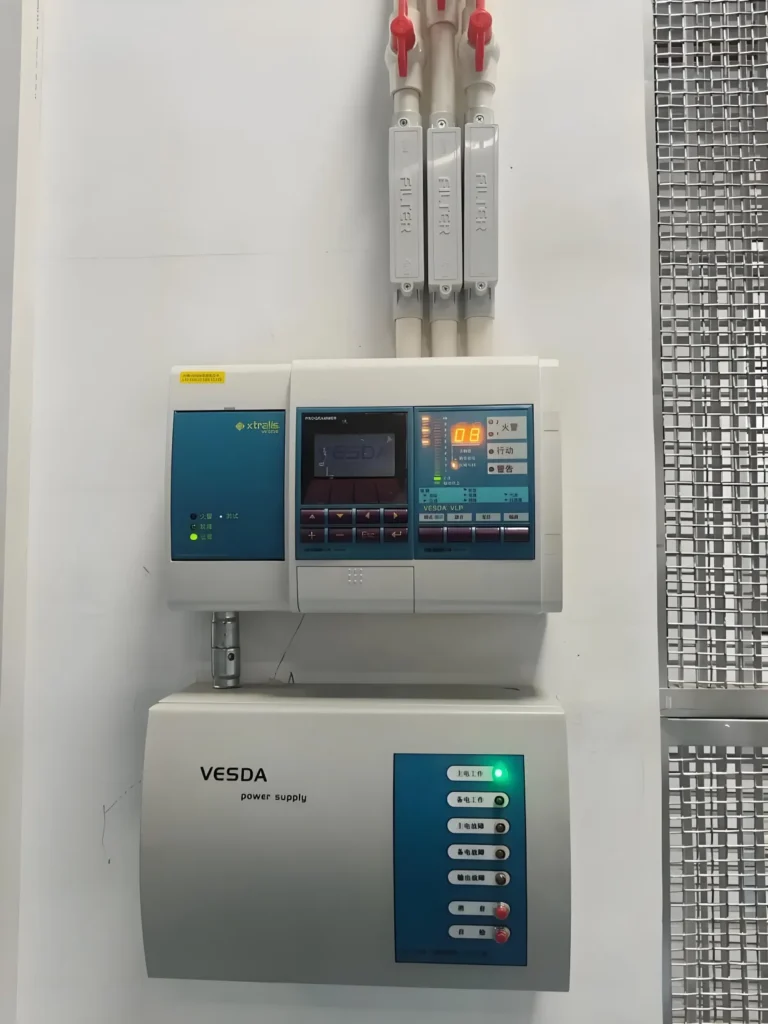
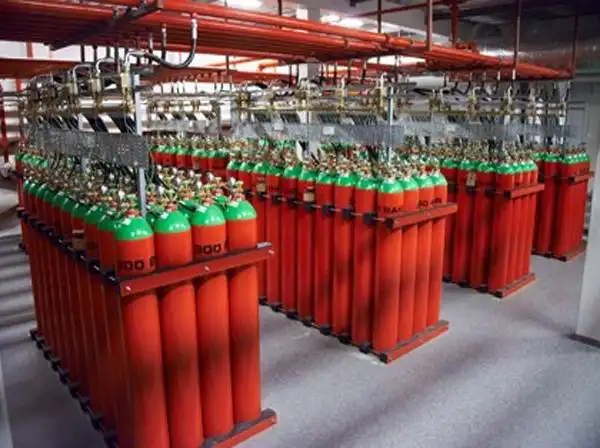
2. Gas Fire Suppression System
Data centers utilize clean agent fire suppression systems to avoid equipment damage caused by water:
-
-
HFC-227ea : Rapid fire suppression through chemical inhibition, non-conductive and safe for electronic equipment.
-
IG-541(Inert Gas): Suppresses fire by reducing oxygen concentration; environmentally friendly and avoids thermal shock to sensitive components.
-
Fires can be suppressed within seconds, ensuring maximum protection of equipment and critical data.
3. Integrated Control & Environmental Systems
The fire protection system is fully integrated with the data center environment, including:
-
-
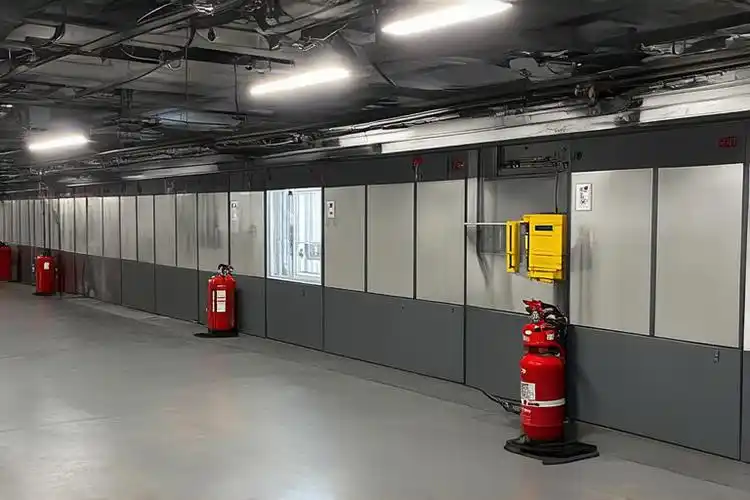
Fire compartmentation and cable sealing to prevent fire spread
-
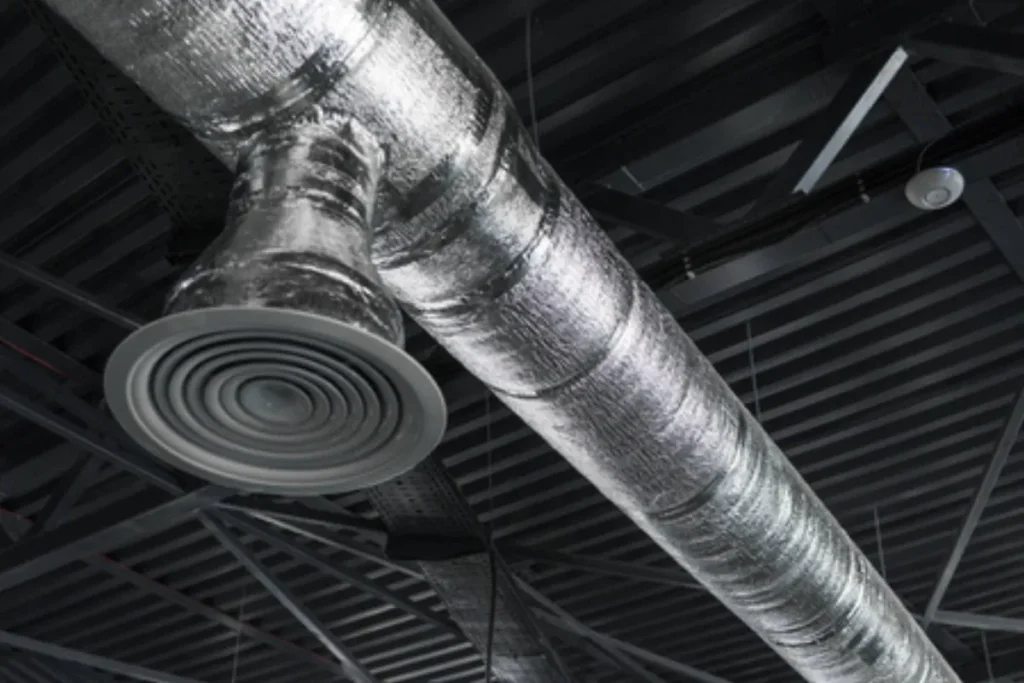
Automatic shutdown of HVAC, power supply, and ventilation systems
-
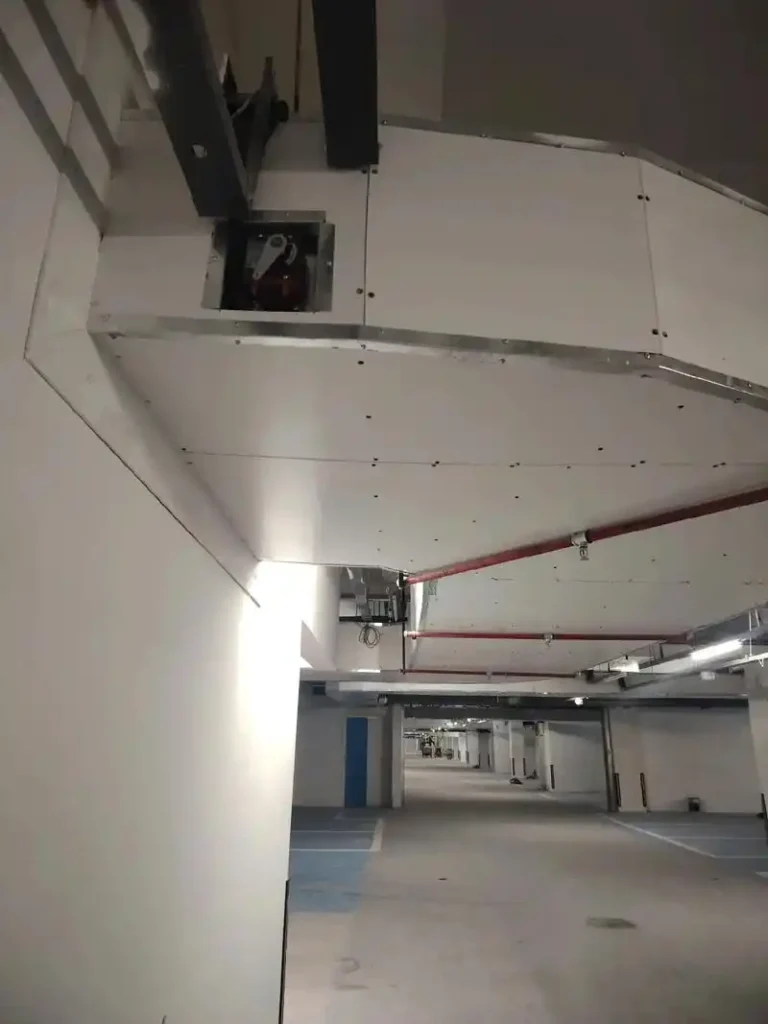
Fire damper activation and pressure relief during gas discharge
-
This ensures a safe, efficient, and fully controlled fire suppression process.
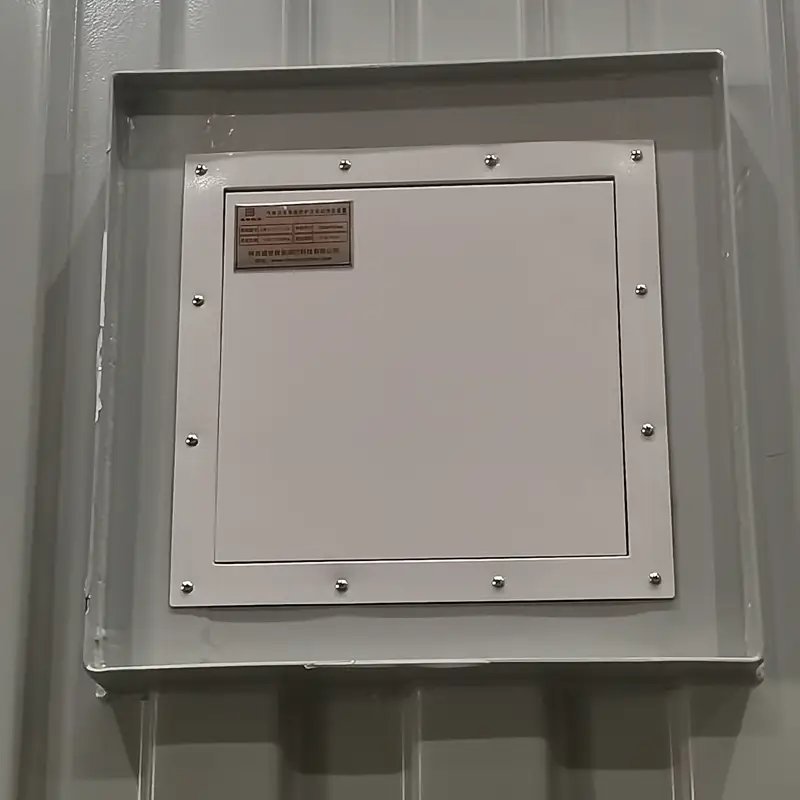
| Features | FM-200 (HFC-227ea) | IG-541 (Inert Gas) | Carbon Dioxide (CO2) | Water Mist |
|---|---|---|---|---|
| Suppression Principle | Chemical Inhibition | Oxygen Displacement | Suffocating & Cooling | Cooling & Local Suffocation |
| Equipment Safety | Extreme (Non-conductive) | Extreme (Non-conductive) | High (Non-conductive) | Risk (Micro-droplets) |
| Personnel Safety | Safe (At design concentration) | Safe (Breathing possible) | Dangerous (Lethal) | Safe (Non-toxic) |
| Extinguishing Speed | Fast (< 10s discharge) | Moderate (< 60s discharge) | Fast | Moderate |
| Storage Space | Small (Welded cylinders) | Large (High-pressure) | Moderate | Large (Tank/Pump sets) |
| Environmental Impact | ODP=0 / High GWP | Excellent (Zero GWP) | Good (GWP=1) | Excellent (Pure water) |
| Typical Applications | Server Rooms, Medium IDCs | Large IDCs, Precision Labs | Generator Rooms | Archives, Corridors |
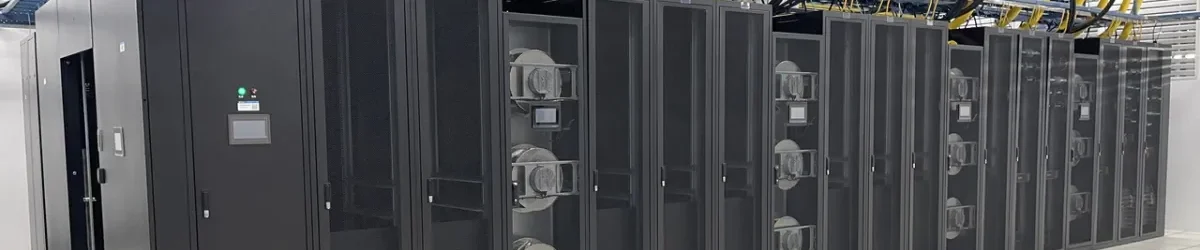
Project Case -- Intelligent Control Data Center
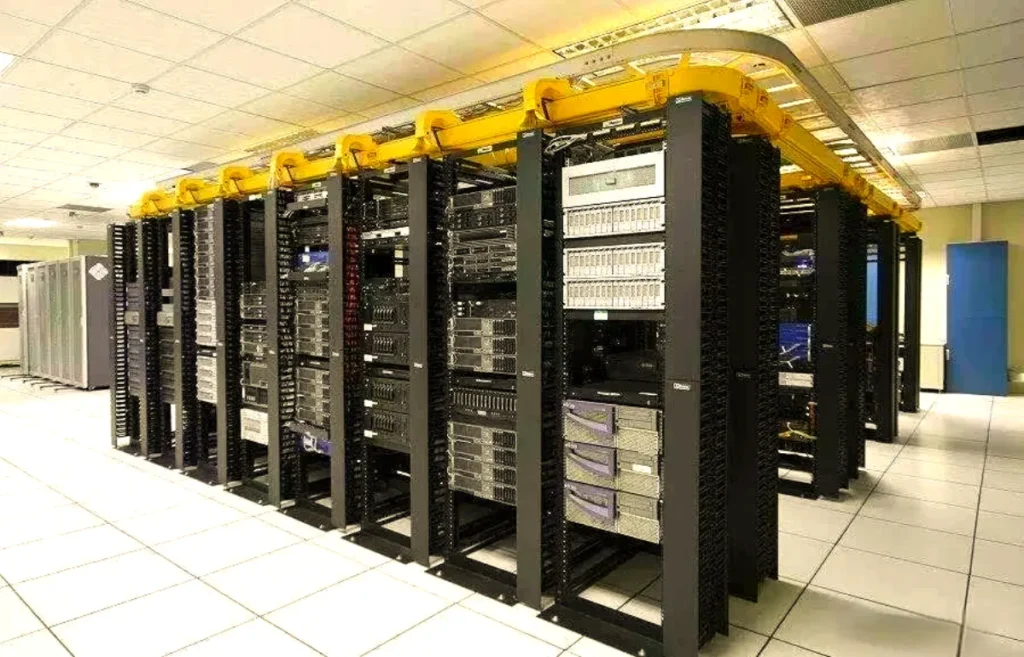
Project Overview
The project has a total gross floor area of approximately 11,300 m², consisting of a 4-story above-ground structure with a reinforced concrete frame. The overall fire protection system includes automatic fire alarm, sprinkler system, smoke control and exhaust, and gas fire suppression systems.
The client is a data processing and system integration service provider with extremely high requirements for equipment safety, data continuity, and environmental stability within the data center.
Solution
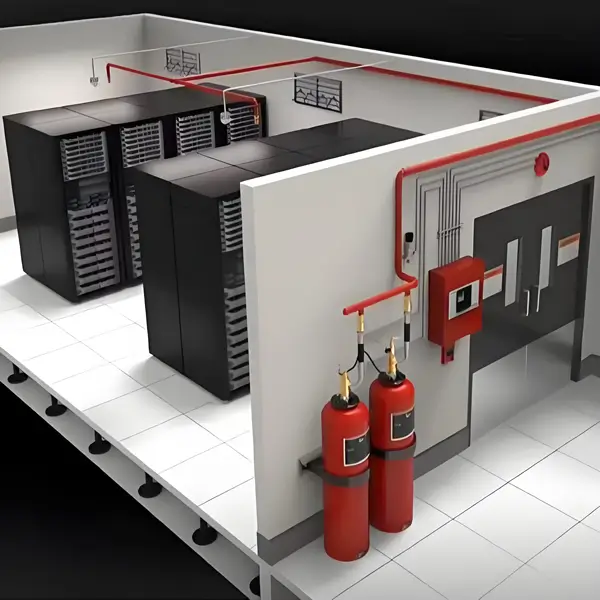
Omnifir designed and deployed a fire protection solution centered on FM-200 (HFC-227ea), aligned with the core objectives of zero interruption, zero loss, and zero risk. The system is fully integrated with early detection and intelligent control systems to form a comprehensive protection framework:
- Early detection with rapid response
- Total flooding gas fire suppression
- Multi-system integration (power, HVAC, ventilation)
This enables a seamless fire protection process from early warning → suppression → system control.
Key Highlights
1. Rapid Suppression, Seconds-Level Response
From fire detection to agent discharge, the entire process is completed within seconds, effectively containing fire development at an early stage.
2. Zero Damage to Equipment
The clean agent is non-conductive, residue-free, and non-corrosive, ensuring full protection for servers and storage systems.
3. Full-Space Coverage
Optimized nozzle and piping design enables complete protection across server cabinets, raised floors, and ceiling voids without blind spots.
4. Compliant with Data Center Standards
Designed in accordance with data center and clean agent fire suppression standards, ensuring regulatory compliance and long-term operational reliability.
Project Value
This solution not only provides effective fire protection, but also establishes a secure and stable data infrastructure environment:
Ensuring business continuity, minimizing downtime risks, and safeguarding critical data assets
Data Center Fire Protection Systems FAQ
Q1: Which fire suppression agent is best for data centers and server rooms?
A: For data centers, Clean Agent Fire Suppression Systems are the gold standard. The most widely used options are FM-200 (HFC-227ea) and IG-541 (Inert Gas).
FM-200: Features extremely fast discharge (reaches design concentration within 10 seconds), requires minimal storage space, and is non-conductive and non-corrosive to sensitive electronics.
IG-541: Composed of nitrogen, argon, and CO2, it is 100% eco-friendly and avoids thermal shock to ultra-sensitive hardware. Unlike traditional water sprinklers, clean agents leave no residue and eliminate secondary damage to your IT infrastructure.
Q2: Why do I need a Pre-action Sprinkler system if gas suppression is so effective?
A: Many building codes (such as NFPA 75) require a secondary “backup” fire suppression method. A Pre-action Sprinkler System acts as this vital second line of defense. Unlike standard sprinklers, the pipes remain dry until both smoke and heat detectors are triggered. This dual-interlock mechanism effectively eliminates the risk of accidental water damage caused by pipe leaks or false alarms, providing maximum peace of mind.
Q3: What is a VESDA system and what is its role?
A: VESDA (Very Early Smoke Detection Apparatus) is an aspirating smoke detection system. It actively draws air samples through a network of pipes for laser-based analysis. In high-airflow environments like data centers, traditional smoke detectors may react too late. VESDA can detect microscopic smoke particles during the incipient stage of a fire (e.g., an overheating cable), providing a “golden window” of time for manual intervention before a fire even ignites.
Q4: Do gas suppression systems require cleanup after discharge? Are they safe for personnel?
A: No cleanup is required. Clean agents (like FM-200 and Inert Gases) evaporate instantly upon discharge, leaving no dust, liquid, or conductive residue. Your data center can remain operational immediately after the event. These agents are also safe for occupied spaces when designed within concentration limits. However, systems usually include a pre-discharge delay to allow for safe evacuation.
Q5: Which international standards should a data center fire system follow?
A: The most recognized global standards include:
NFPA 75: Standard for the Fire Protection of Information Technology Equipment.
NFPA 2001: Standard on Clean Agent Fire Extinguishing Systems.
ISO 14520: Gaseous fire-extinguishing systems — Physical properties and system design. All Omnifir solutions are strictly engineered to comply with these standards, ensuring global regulatory compliance and long-term reliability.
Q6: How often should a data center fire system be maintained?
A: According to international safety standards, a semi-annual inspection is recommended to check cylinder pressure, control panel logic, and detector sensitivity. A comprehensive annual functional test should also be conducted to ensure the entire system responds correctly in an emergency. Regular maintenance is the only way to guarantee the system will perform when it matters most.