
High-Rise Office Building Fire Protection Systems
Omnifir delivers integrated fire protection solutions that address the unique challenges of tall office buildings, including smoke control, evacuation support, system integration, and life safety protection.
Challenges of High-Rise Office Building Fire Safety
The fundamental difference between high-rise and low-rise fire protection lies in evacuation complexity and building system coordination. While occupants in low-rise buildings can often evacuate directly to ground level within minutes, high-rise office towers require carefully designed life safety systems to manage vertical evacuation, smoke movement, and coordinated emergency response across dozens of occupied floors.
1.Vertical Evacuation (Refuge Floors)
High-Rise Occupants Cannot Evacuate Quickly
In low-rise office buildings, occupants can usually evacuate to ground level within a short period of time. In contrast, high-rise buildings present significant evacuation challenges due to longer travel distances, higher occupant density, and limited stairwell capacity.
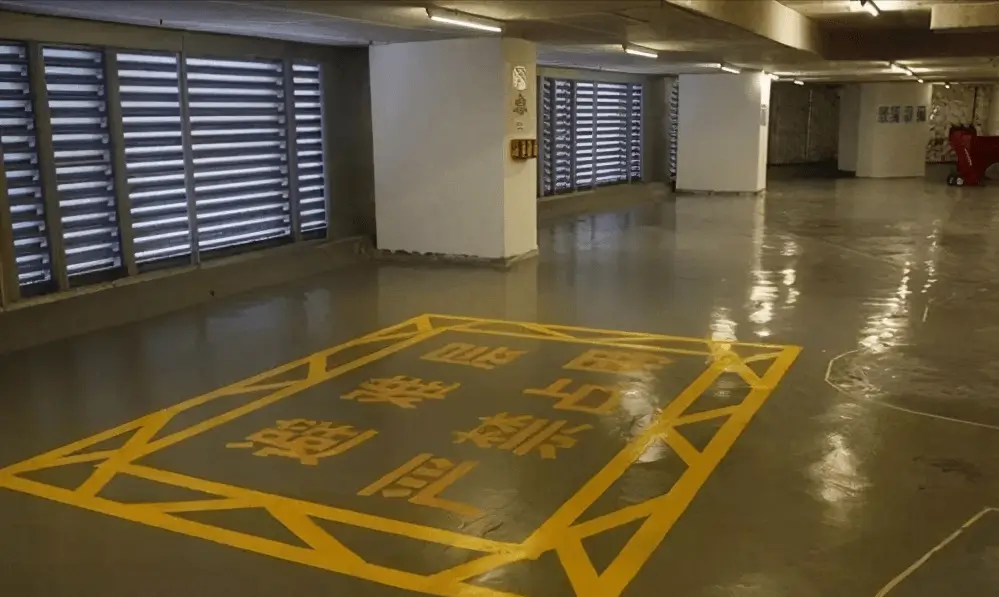
For this reason, high-rise fire protection strategies often adopt a phased evacuation approach. Refuge floors are incorporated as protected temporary safety areas, allowing occupants to remain in a secure environment while awaiting further evacuation instructions or emergency assistance.
2. Smoke Control
Smoke Is Often More Dangerous Than Fire
In many fire incidents, smoke causes more casualties than flames. Toxic gases contained in smoke can quickly lead to suffocation and poisoning, while reduced visibility makes evacuation more difficult. Hot smoke can also damage the respiratory system, accelerate fire spread, and travel through a building much faster than the fire itself.
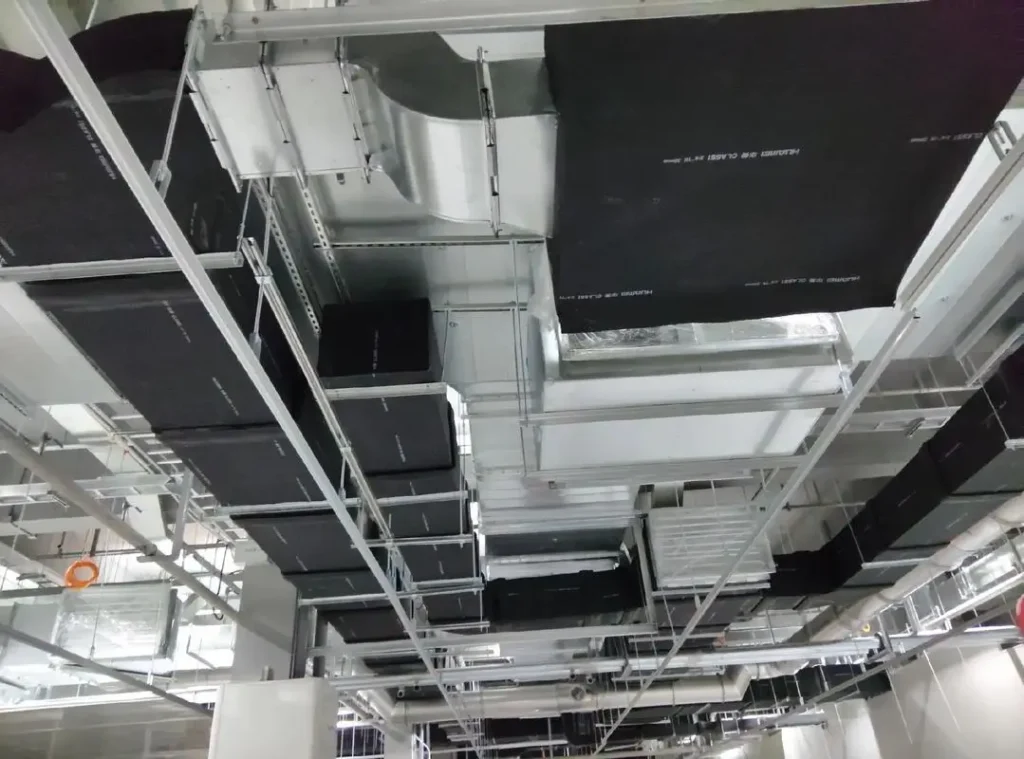
To address these risks, high-rise buildings are equipped with smoke control systems and stairwell pressurization systems. By continuously supplying fresh air into protected stairwells and removing smoke from affected areas, these systems help maintain smoke-free evacuation routes. In high-rise buildings, keeping escape paths clear of smoke is often even more critical than extinguishing the fire itself.
3. System Integration
Coordinated Operation of Fire and Building Systems
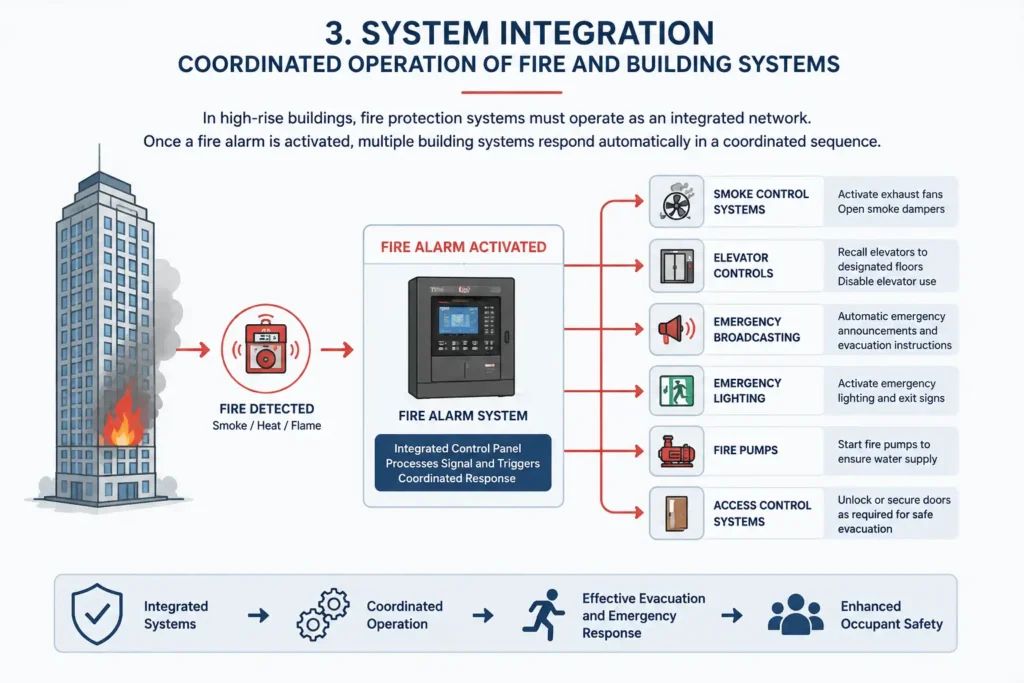
In high-rise buildings, fire protection systems must operate as an integrated network rather than as standalone systems. Once a fire alarm is activated, smoke control systems, elevator controls, emergency broadcasting, and emergency lighting systems must respond automatically in a coordinated sequence.
High-rise fire protection of Omnifir is not simply about installing individual devices. The key lies in achieving reliable integration between fire protection systems and building services. Only through coordinated system operation can a building effectively support evacuation, emergency response, and occupant safety during a fire event.
Essential Fire Protection Systems for High-Rise Office
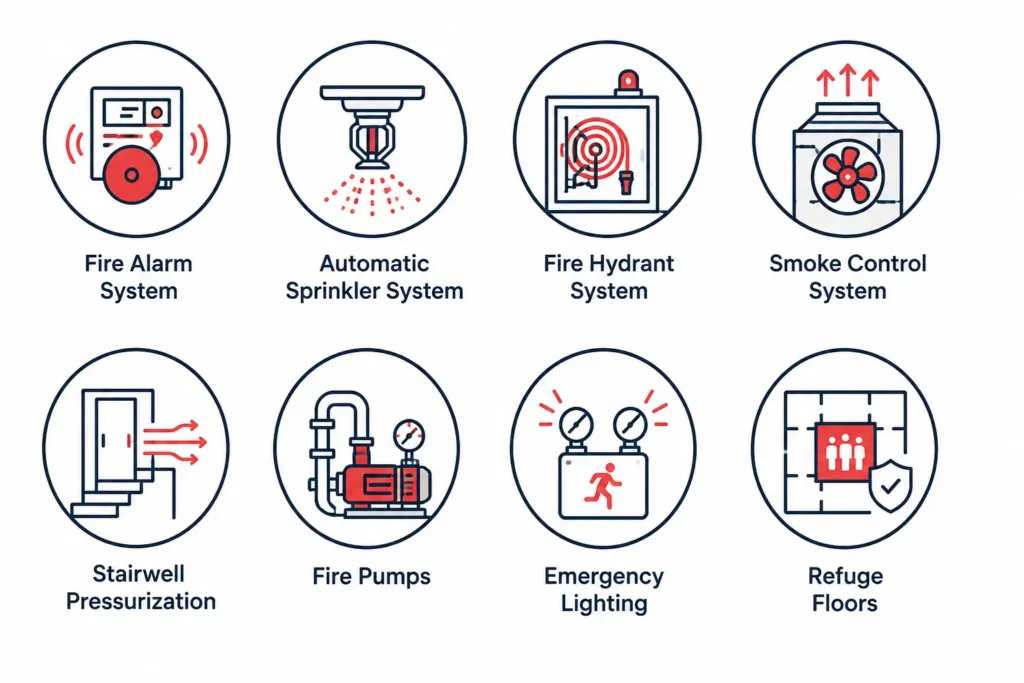
| System Component & Compliance | High-Rise Engineering Challenge Addressed | Operational Performance Focus |
|---|---|---|
| Mechanical Smoke Exhaust System NFPA 92 / EN 12101 |
Mitigates the "Stack Effect" (chimney effect) which accelerates upwards toxic smoke spread through shafts and corridors in tall buildings. | Rapidly extracts high-temperature gases, maintaining a clear smoke layer height above evacuation zones. |
| Stairwell Pressurization System NFPA 101 Life Safety |
Prevents vertical escape paths (stairwells and elevator lobbies) from becoming smoke-logged during an active fire event. | Creates dynamic positive air pressure differentials, blocking toxic fumes while allowing emergency doors to open smoothly. |
| Refuge Floor Life Safety Zone International Building Code |
Solves the issue of extreme vertical travel distance, providing safe staging areas for occupants unable to complete full ground evacuation. | Equipped with independent fresh air ventilation, structurally isolated fire barriers, and dedicated communication lines. |
| Smart Fire Dashboard Integration Intelligent Automation |
Overcomes fragmented subsystem delays by automating conflicting controls (e.g., HVAC shutdown vs. Smoke containment activation). | Ensures real-time, unified matrix deployment of dampers, exhaust fans, and structural alarms across all floors instantly. |

Key Smoke Control and Life Safety Systems for High-Rise Office Buildings
Omnifir’s smoke control solutions are divided into three major systems:
1. Smoke Exhaust System
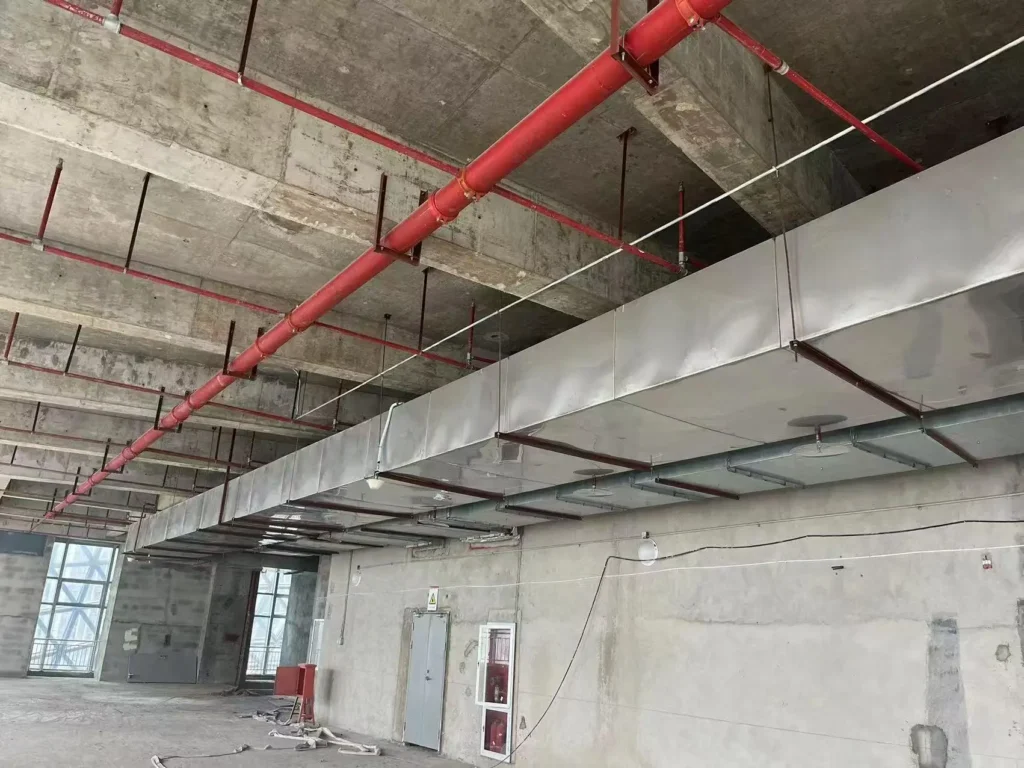
In high-rise office buildings, smoke can spread much faster than the fire itself. During a fire emergency, smoke exhaust systems help remove hot smoke and toxic gases from affected areas, improving visibility and maintaining safer evacuation routes for building occupants.
An effective smoke exhaust system reduces the risk of smoke accumulation in corridors, lobbies, and office spaces, allowing occupants and emergency responders to move more safely throughout the building.
2. Stairwell Pressurization System
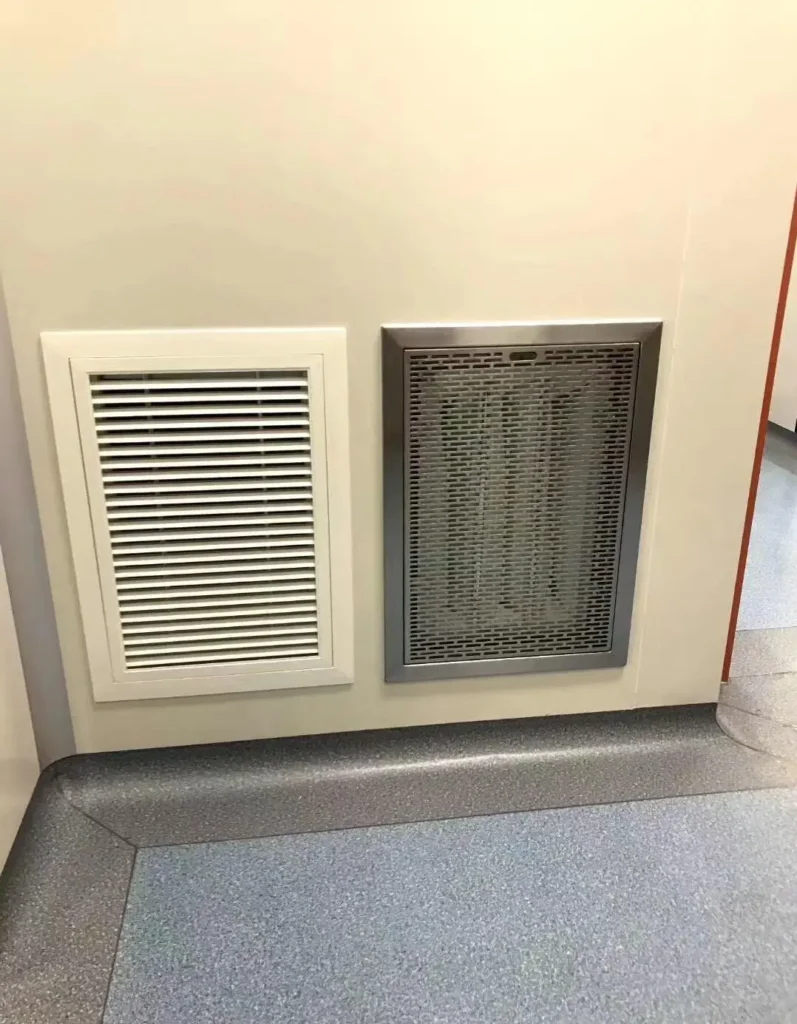
Stairwells serve as the primary evacuation route in high-rise buildings. To keep these escape paths free from smoke, pressurization systems continuously supply fresh air into protected stairwells during a fire event.
By maintaining positive air pressure within the stairwell, smoke is prevented from entering evacuation routes, helping occupants evacuate safely from upper floors while supporting firefighting operations.
3. Fire Dampers
Fire dampers are installed within ventilation and smoke control ductwork to prevent the spread of fire and smoke between different areas of a building.
When a fire is detected, fire dampers automatically close to isolate affected zones, helping contain the fire within its area of origin and reducing the risk of smoke spreading throughout the building.
System Integration
Modern high-rise fire safety relies on the coordinated operation of multiple building systems. Fire alarm systems, smoke control equipment, emergency lighting, elevators, and ventilation systems must function together as an integrated life safety network.
Once a fire alarm is activated, the integrated system can automatically initiate smoke extraction, stairwell pressurization, elevator recall, emergency broadcasting, and other critical emergency responses. This coordinated operation helps improve evacuation efficiency and supports faster emergency response.
High-Rise Smoke Control & Evacuation Timeline
This timeline demonstrates how a potential high-rise office fire escalates, and how Omnifir's Smoke Exhaust and Stairwell Pressurization systems effectively control smoke development within 30 seconds, ensuring secure primary escape routes for complete occupant evacuation within 180 seconds.
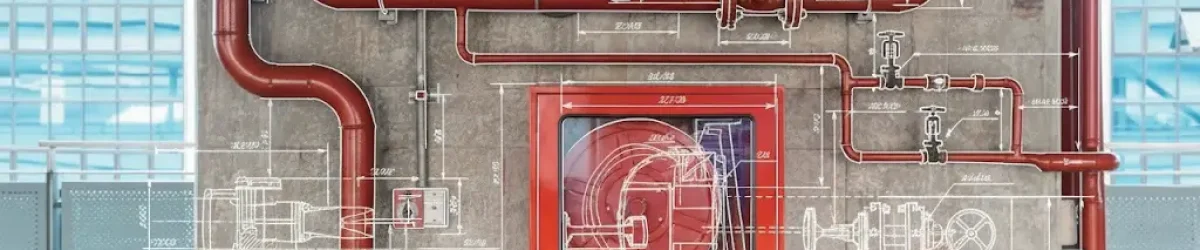
Project Case Study
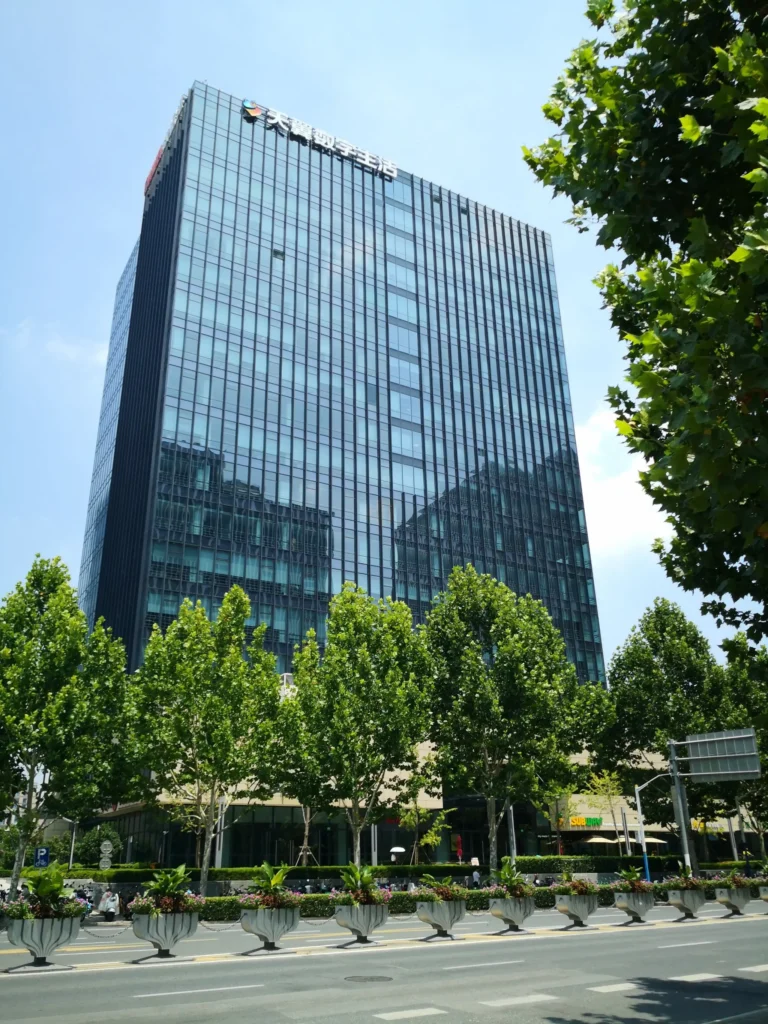
43-Storey Office Tower Fire Protection Project
This project involves a 43-storey office tower with three basement levels, a total gross floor area of 65,739.90 m², and a building height of 183.6 metres.
As a high-rise commercial building accommodating a large number of occupants, the project required a comprehensive fire protection strategy focused on life safety, smoke control, emergency evacuation, and system reliability.
Fire Protection Scope
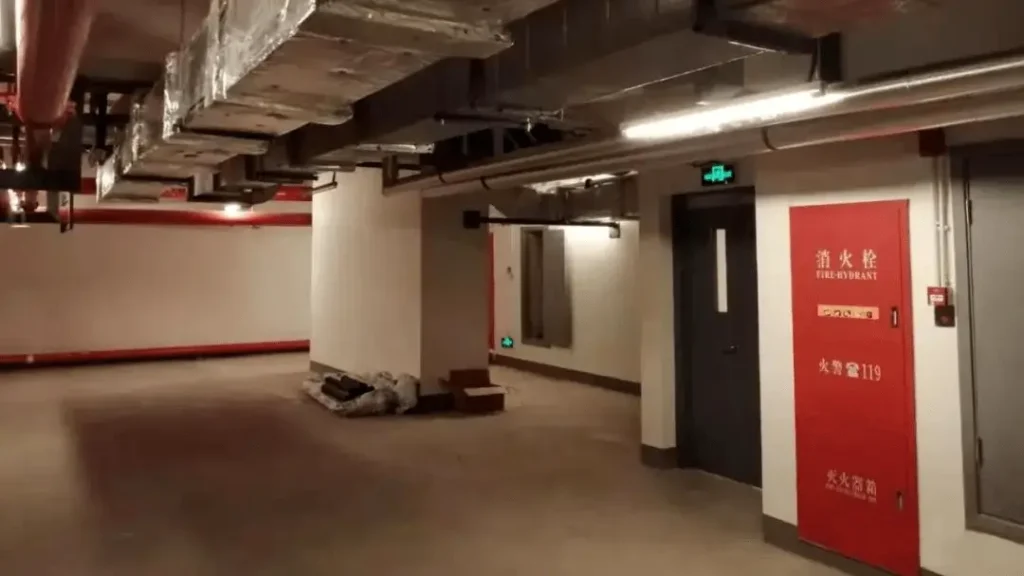
The fire protection system includes:
●Fire Water Supply System
●Automatic Sprinkler System
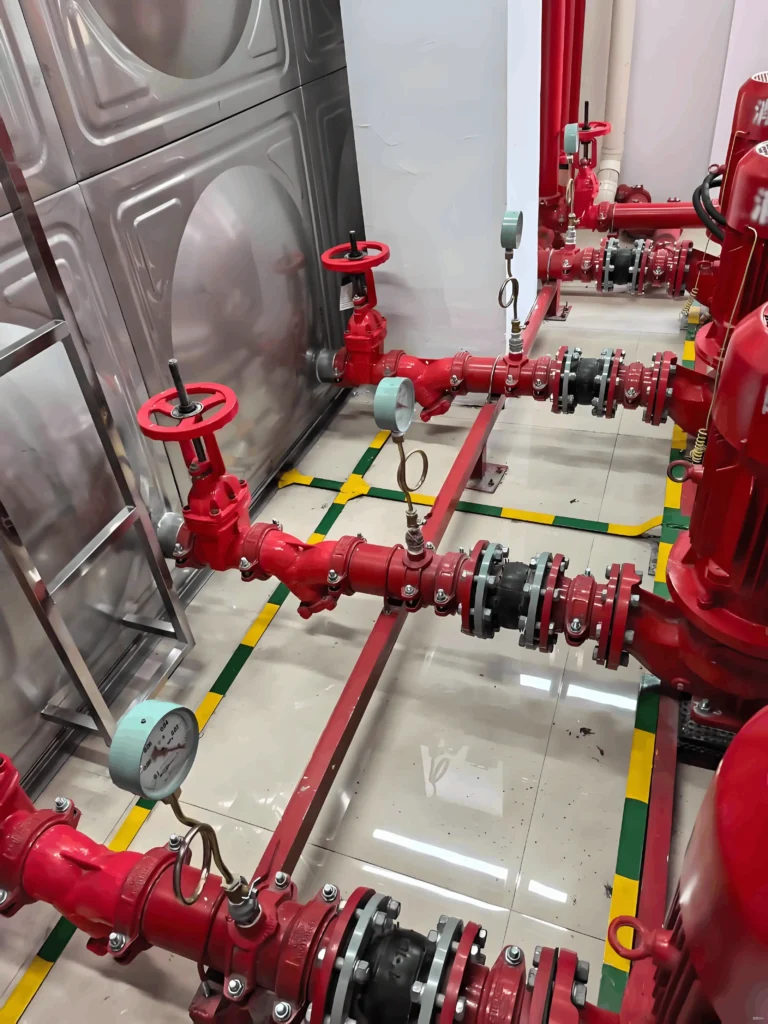
●Fire Pump System
●Fire Alarm and Detection System
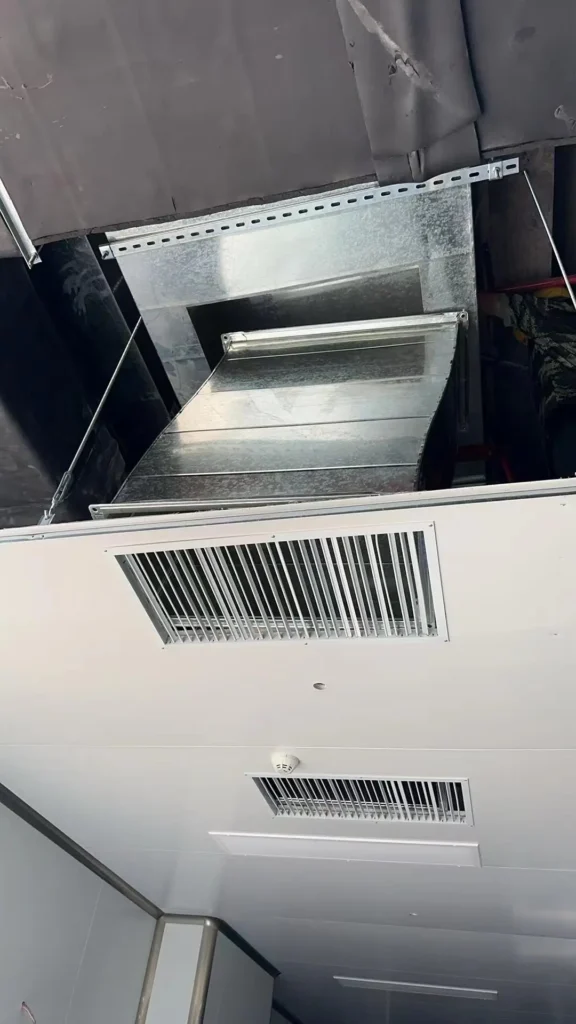
●Smoke Exhaust System
●Stairwell Pressurization System
These systems work together to provide early fire detection, rapid fire suppression, controlled smoke management, and safe occupant evacuation.
High-Rise Evacuation
With 43 occupied floors, immediate full-building evacuation is often impractical. The fire protection design supports phased evacuation strategies and protected escape routes to enhance occupant safety during emergency situations.
Smoke Control
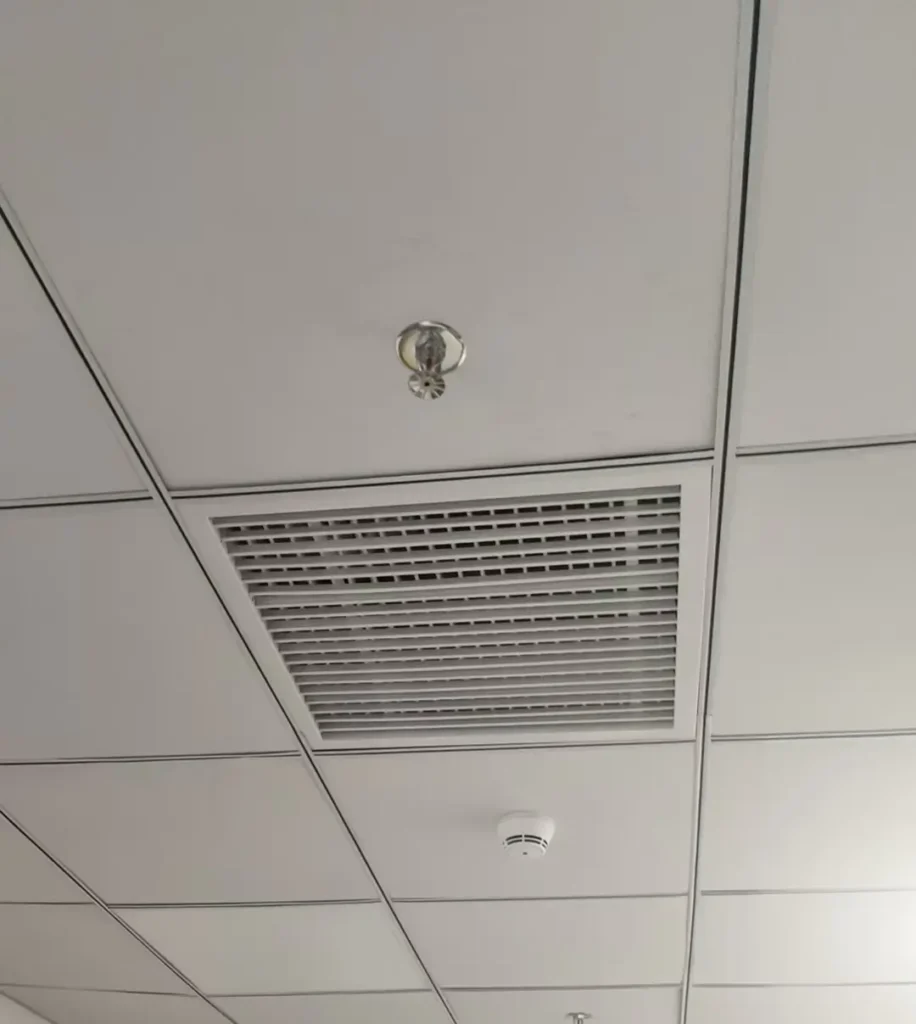
Smoke is one of the most significant hazards in high-rise buildings. The project incorporates smoke exhaust and stairwell pressurization systems to help maintain tenable evacuation conditions and protect critical escape routes.
System Integration
Fire alarm systems, fire pumps, smoke control equipment, emergency lighting, and other life safety systems are integrated to enable coordinated emergency response and automatic system activation during fire events.
Project Value
The completed fire protection solution enhances life safety for building occupants while ensuring the reliable operation of critical building systems.
By integrating fire detection, fire suppression, smoke management, and evacuation support functions, the project demonstrates a comprehensive fire protection approach for modern high-rise commercial developments.
Conclusion
Fire protection in high-rise buildings is fundamentally different from standard commercial safety—it is a complex logistical challenge where vertical height and smoke movement dictate outcomes. The most resilient approach relies not on isolated components, but on an intelligent, fully integrated system.
Addressable alarms, stairwell pressurization, zoned sprinklers, and clear voice evacuation protocols form the backbone of this defense. Given the unique vulnerabilities of high-density towers, if you are unsure whether your current infrastructure is truly prepared, relying on a comprehensive professional audit is always safer than assuming the systems will simply work when tested.
Frequently Asked Questions
Common questions about high-rise office building fire protection systems
What fire protection systems are required for a high-rise office building?
A comprehensive high-rise office building fire protection system typically includes three core components: active fire suppression systems (automatic sprinklers, standpipes, and fire pumps), life safety and detection networks (intelligent smoke detectors, heat detectors, and manual pull stations), and smoke control infrastructure (stairwell pressurization and mechanical smoke exhaust). The specific configuration depends on the building's overall height, occupancy classification, and strict local fire code mandates. High-rise environments demand elevated focus on phased evacuation announcement capabilities, reliable emergency backup power, and complex vertical water supply logistics.
How does the stairwell pressurization system work during a high-rise fire?
Stairwell pressurization systems act as a critical passive-active defense. Upon fire alarm activation, dedicated mechanical fans automatically inject outdoor fresh air into the escape stairwells. This creates a positive pressure environment relative to the office floors. When occupants open doors to evacuate, the higher pressure inside the stairwell forces air outward, effectively preventing toxic smoke and hot gases from infiltrating the evacuation route, keeping escape paths clear and breathable.
What are the distinct water supply challenges for high-rise fire pumps and standpipes?
The primary challenge in tall structures is overcoming hydraulic head pressure to deliver adequate water volume and pressure to upper floors. High-rise buildings address this by utilizing multi-stage fire pumps, vertical zoning (splitting the building into low, mid, and high pressure zones), and strategically placed intermediate water storage tanks. Pressure-regulating valves (PRVs) are also critical to ensure that lower floors do not experience excessive, hazardous water pressures during operation.
How does an integrated voice evacuation system benefit high-rise office management?
Unlike simple horns or sirens, a voice evacuation system allows for "phased evacuation." In a high-rise crisis, evacuating the entire building simultaneously leads to dangerous stairwell congestion. An integrated voice system allows management or emergency services to deliver clear, live, or pre-recorded instructions. It prioritizes the fire floor and the floor immediately above and below it for immediate egress while advising other floors to safely shelter in place until cleared.
When should fire protection systems undergo testing and inspection in commercial high-rises?
Testing schedules must adhere strictly to standard regulatory codes (such as NFPA 25 for water-based systems and NFPA 72 for fire alarms). Generally, fire pumps require weekly or monthly no-flow testing; fire alarm panels, smoke detectors, and tamper switches require quarterly or semi-annual inspections; and complete functional testing of the integrated smoke management and main sprinkler systems must be conducted annually by certified fire protection specialists.