
Fire Protection Systems for Industrial Manufacturing Plants
Protecting Production Continuity, Critical Equipment, and Industrial Safety Through Integrated Fire Protection Solutions
Factory Characteristics
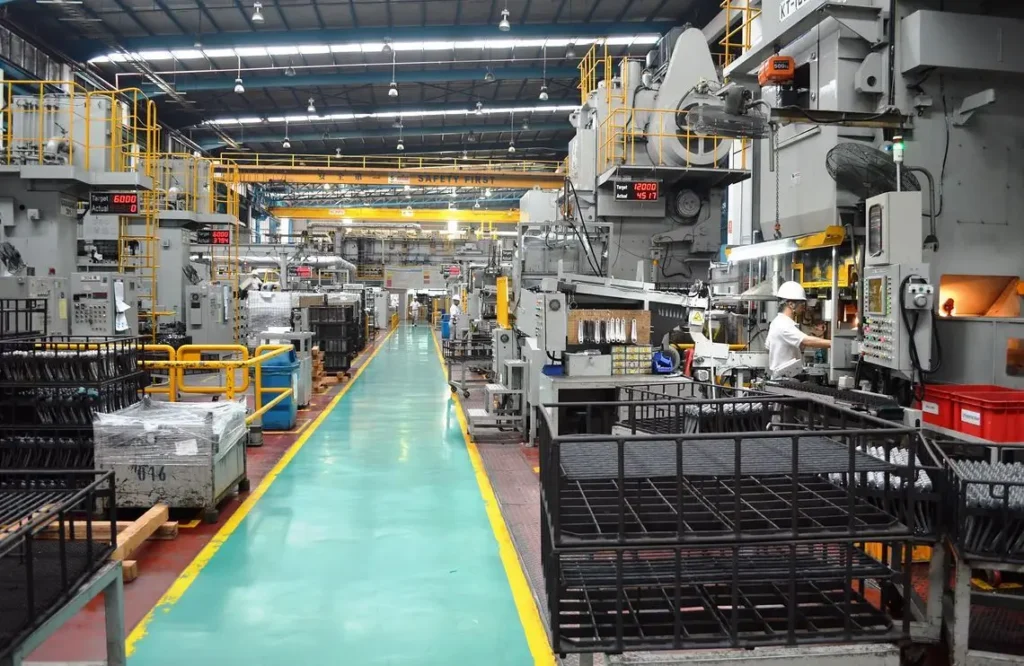
Manufacturing facilities operate differently from office buildings. Most factories run continuously, with high electrical loads and intensive equipment operation. This creates higher risks of electrical fires, overheating machinery, dust accumulation, and flammable gas hazards.
In many factories, workers are also concentrated within production areas, increasing evacuation and safety challenges during fire incidents.
Common Fire Risks in Manufacturing Facilities
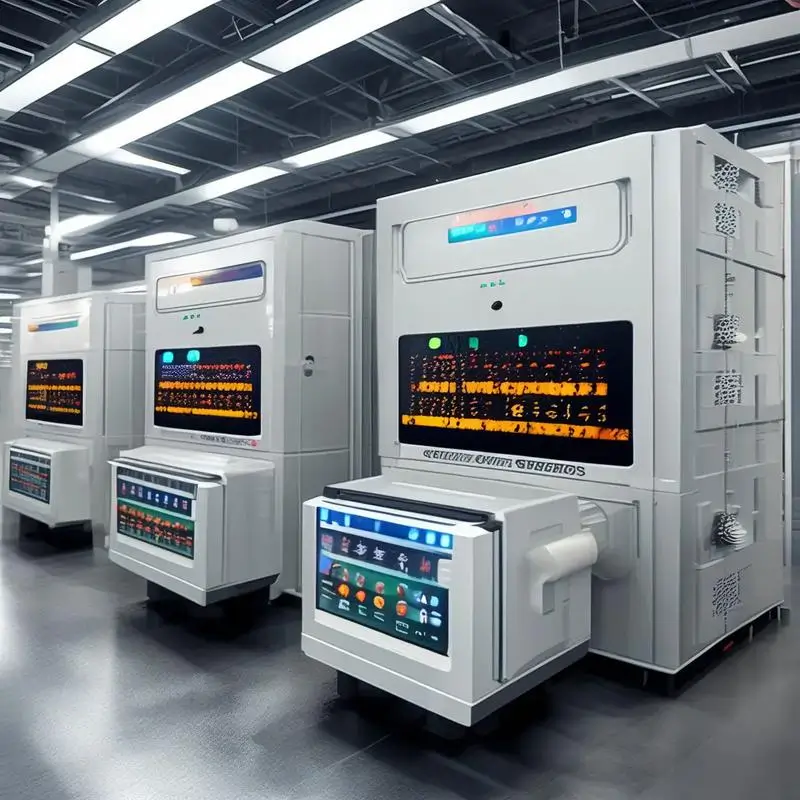
Electrical & Equipment Fires
Manufacturing facilities operate differently from office buildings. Most factories run continuously, with high electrical loads and intensive equipment operation. This creates higher risks of electrical fires, overheating machinery, dust accumulation, and flammable gas hazards.
In many factories, workers are also concentrated within production areas, increasing evacuation and safety challenges during fire incidents.
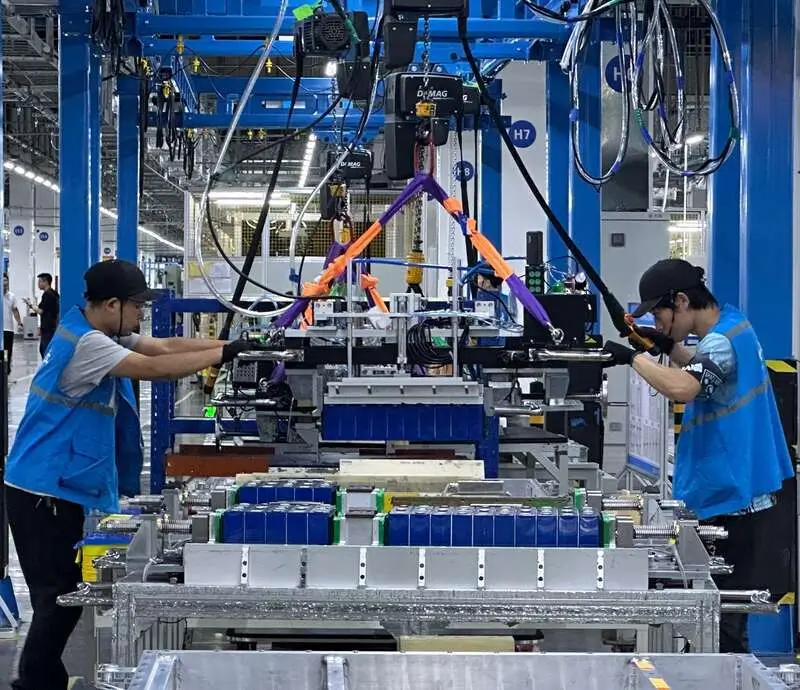
Production Process Risks
Many industries involve high-temperature operations such as thermal processing, welding, drying, and industrial heating, which increase fire risks during production.
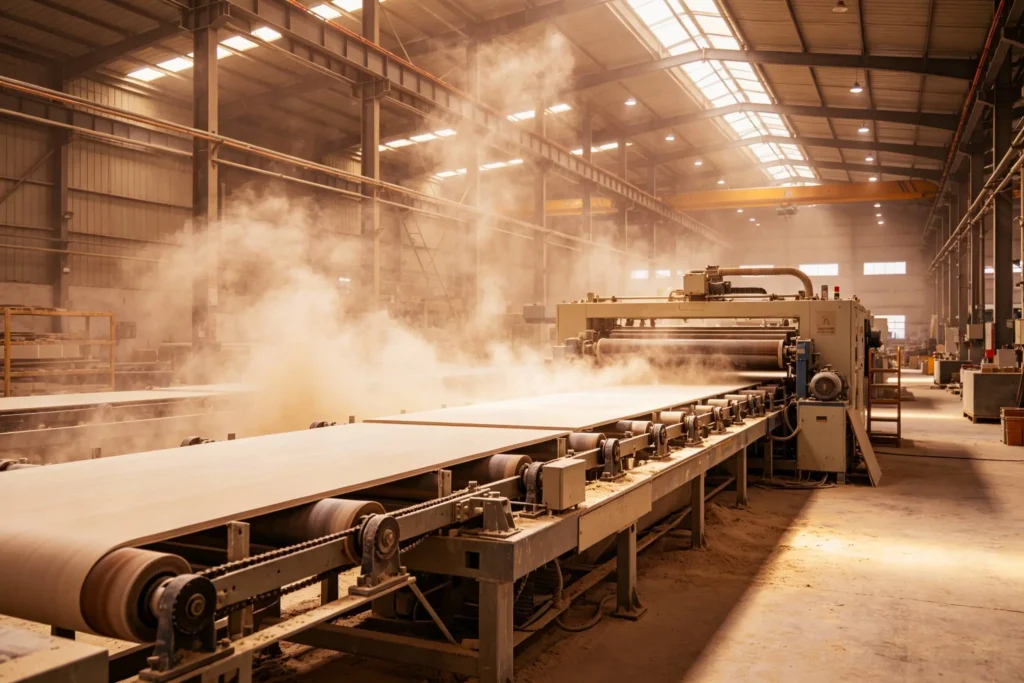
Dust & Airborne Particle Risks
Dust, oil mist, and airborne particles can become direct ignition sources. When exposed to heat or sparks, these materials may lead to fires or even explosions.
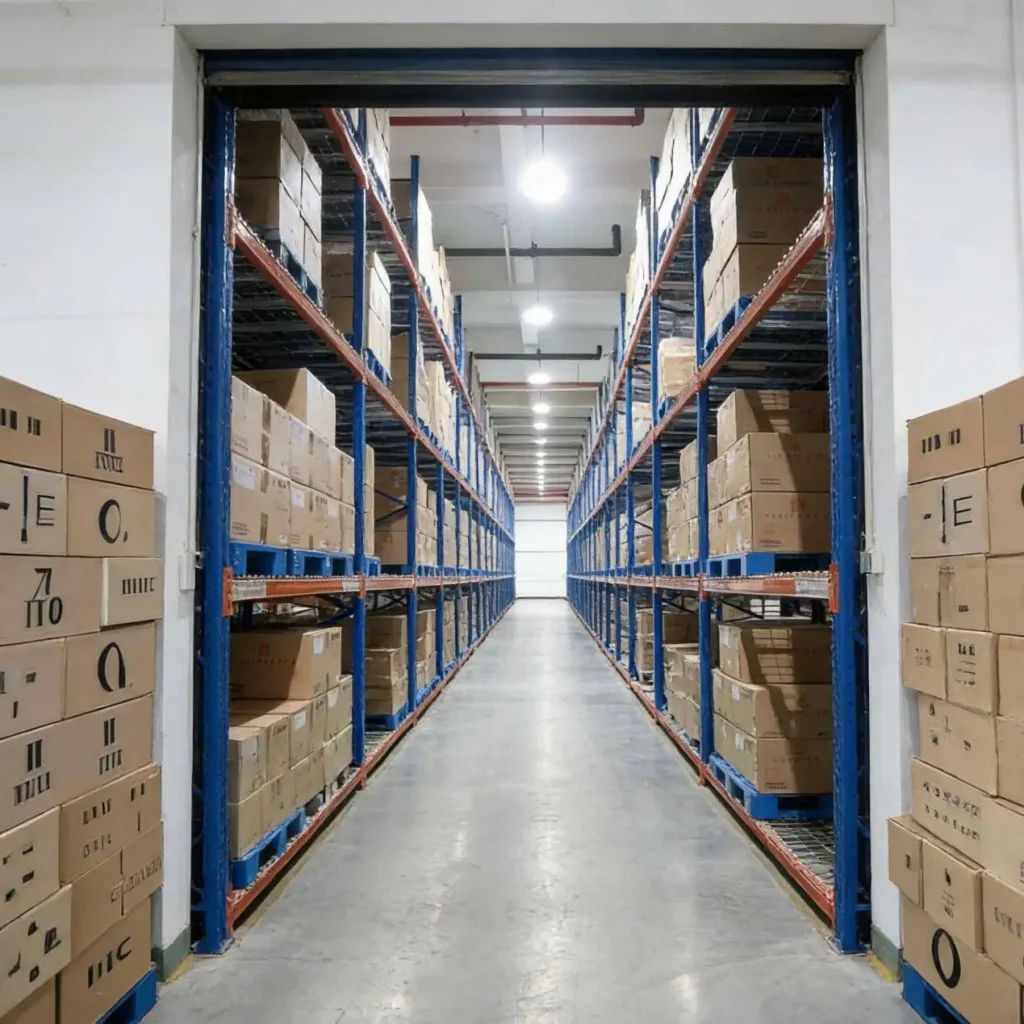
Warehouse & Storage Risks
Both raw materials and finished products can create significant fire hazards, especially when high-value or highly combustible materials are stored inside factory warehouses.
Protecting Critical Equipment & Production Continuity
Unlike office buildings, factories cannot simply relocate operations after a fire incident. Damage to production equipment may stop manufacturing for weeks or even months, leading to major delivery delays and financial losses.
Factory fire protection is not only about protecting people, but also about protecting production equipment and maintaining business continuity.
For this reason, critical manufacturing equipment often requires a higher level of fire protection.
How Industrial Fire Protection Systems Work
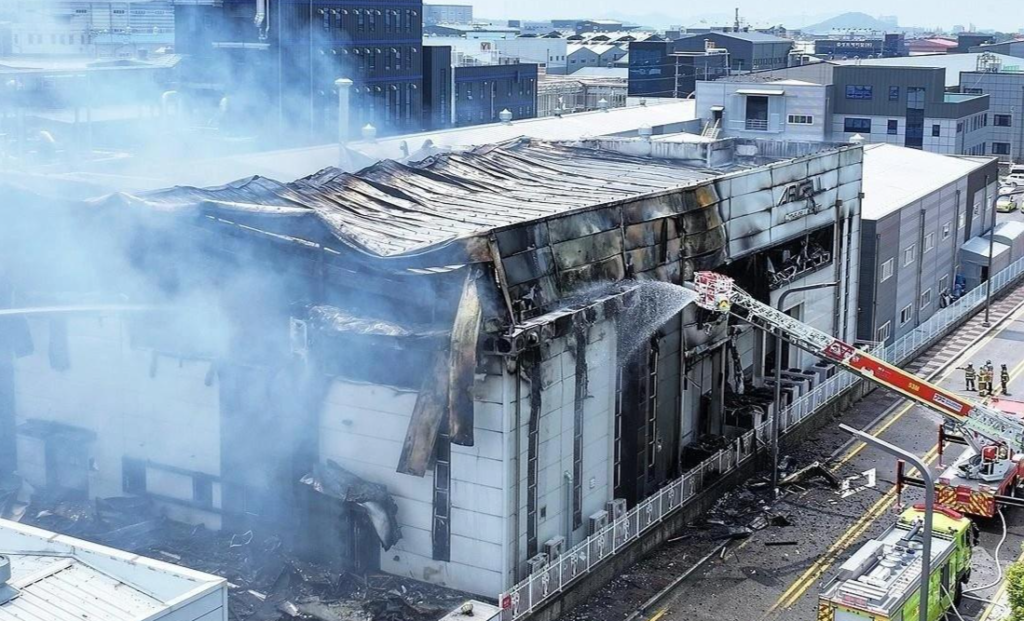
Factory fires can spread much faster than fires in ordinary buildings due to combustible materials, continuous operations, and high-temperature equipment. As a result, industrial fire protection systems are significantly different from standard commercial systems.
Industrial Risk Areas vs. Recommended Fire Protection Solutions
| Risk Area | Common Hazards | Recommended Detection | Recommended Suppression |
|---|---|---|---|
| Server & Electrical Rooms | Short circuits, cable overheating | VESDA (Very Early Warning) | Gas Suppression (FM-200 / IG-541) |
| CNC & Battery Production | High-temp operations, thermal runaway | Linear Heat Cables / VESDA | Gas Suppression / Pre-action Sprinklers |
| Warehouses & Storage | Combustible goods, rapid fire spread | Standard Smoke/Heat Detectors | Wet Pipe Sprinkler Systems |
| Harsh Environments | Corrosive chemicals, high humidity | Industrial-grade Detectors | Stainless Steel Piping Systems |
Omnifir's industrial fire protection solutions cover three integrated systems:
1. Fire Alarm Systems
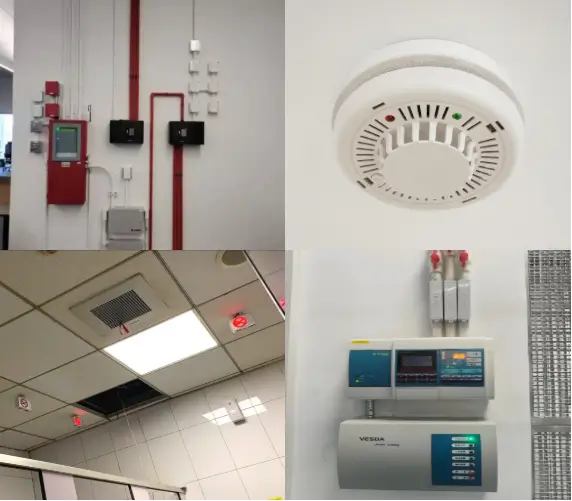
In industrial environments with high dust levels, steam, or elevated temperatures — such as snack food factories or processing plants — traditional smoke detectors may not be sufficient.
Many factories use aspirating smoke detection systems (VESDA) for very early fire detection.
For electrical equipment and cable trays, linear heat detection cables are commonly installed to identify overheating conditions before a fire develops.
Graph: Comparison of detection time between VESDA and Traditional Systems during a fire growth curve.
2.Automatic Sprinkler & Gas Suppression Systems
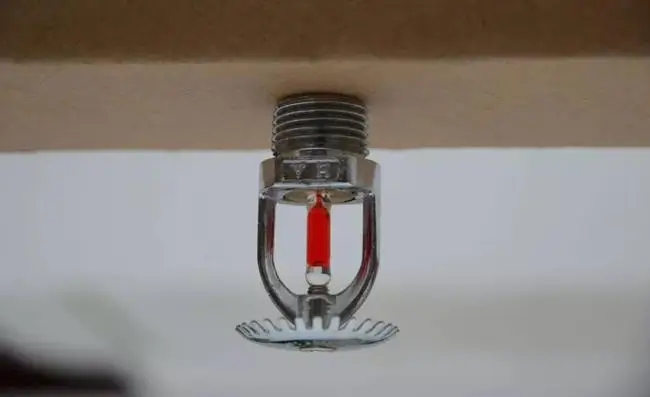
In addition to water sprinkler systems, many factories require gas suppression systems to protect high-value equipment that cannot be exposed to water.
Typical protected areas include:
●Electrical rooms
●High-end CNC machinery
●Semiconductor equipment
●Battery production lines
●Server rooms and data centers
3. System Integration
In advanced manufacturing facilities, fire protection systems must integrate with HVAC systems, exhaust systems, electrical controls, and production equipment.
For example, cleanrooms and chemical exhaust systems require coordinated fire response actions to quickly contain smoke and fire spread.
Production lines, power systems, and automated equipment may also trigger emergency shutdown procedures during fire incidents.
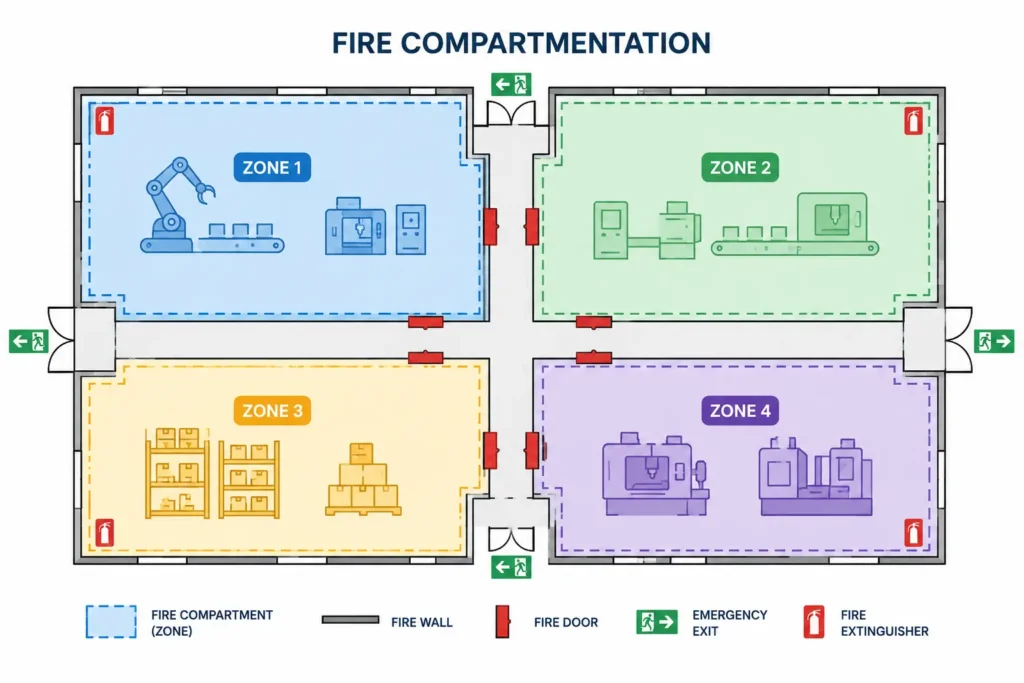
4. Fire Compartmentation
Different workshops and manufacturing processes within the same factory often require separate fire compartments.
Fire compartmentation helps isolate fire risks and prevent incidents from affecting the entire production system.
Southeast Asia Industrial Fire Protection Experience
For factories in Southeast Asia, Omnifir combines extensive experience supporting Chinese manufacturers expanding overseas with practical expertise in high-temperature, high-humidity industrial environments.
With experience in factory expansion projects and upgraded fire safety standards, Omnifir delivers reliable and customized industrial fire protection solutions.
Project Case Study
Different manufacturing processes require highly customized fire protection solutions. With extensive industrial project experience, Omnifir is able to address a wide range of complex fire safety challenges.
Project Overview
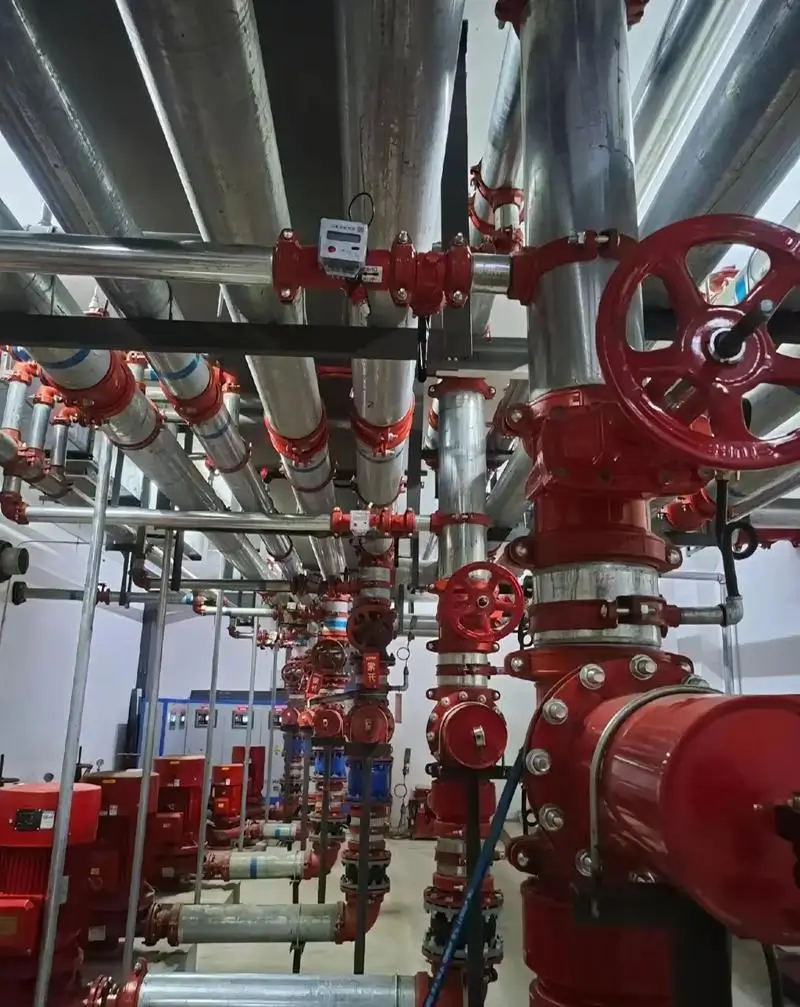
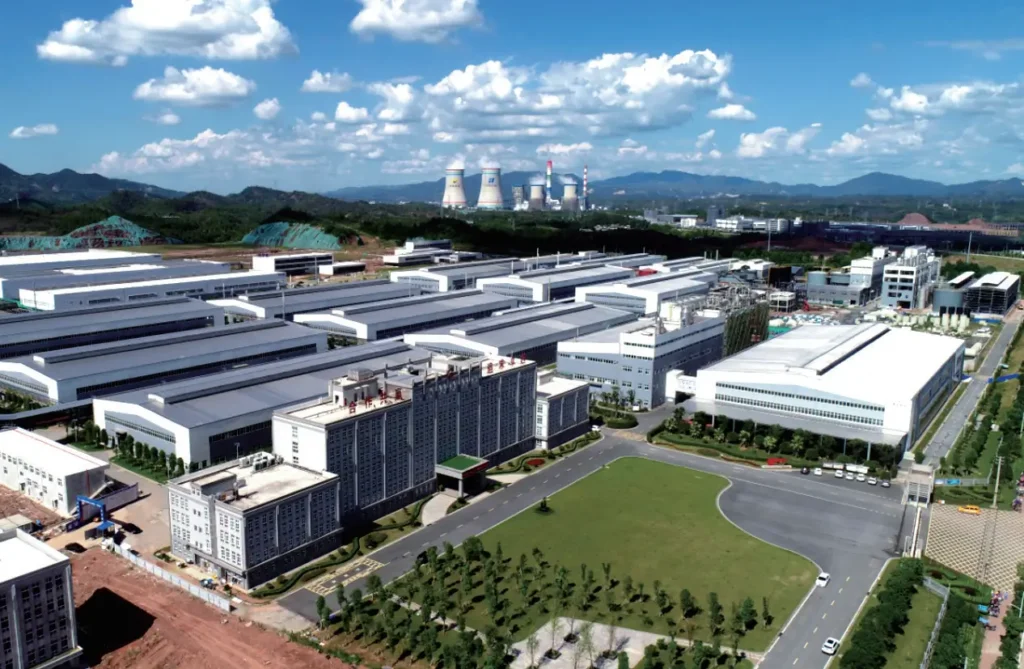
The project has a total construction area of 82,051.96 m², consisting of 10 floors above ground and 1 basement level. The fire protection scope included the fire water supply system, automatic sprinkler system, pump room system, fire alarm system, and smoke control system.
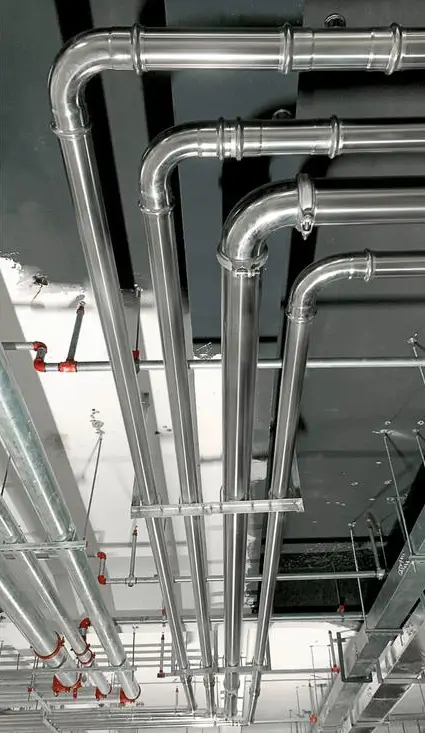
The project involved multiple specialized manufacturing workshops with strict environmental and production requirements, requiring a customized stainless steel fire protection solution to improve corrosion resistance, durability, and long-term operational reliability in demanding industrial conditions.
Project Highlights
The project included three specialized production workshops with strict process requirements involving controlled levels of copper, iron, zinc, nickel, and other metallic elements.
After detailed analysis of the production environment, the Omnifir team designed a complete stainless steel fire protection solution.
Key components such as sprinkler systems and piping networks were upgraded to stainless steel materials to improve corrosion resistance and long-term performance under demanding industrial conditions.
Project Value
This project demonstrated Omnifir’s capability to deliver customized industrial fire protection solutions for complex manufacturing environments. By upgrading key fire protection components to stainless steel materials, the system achieved higher corrosion resistance, improved durability, and better long-term operational stability.
The solution also supported strict production environment requirements while enhancing fire safety reliability and protecting critical manufacturing operations from potential downtime risks.
Conclusion
Industrial fire protection systems play an important role in safeguarding production continuity and core equipment. The most effective way to protect a facility is usually not through standard commercial setups, but through integrated, customized solutions you can rely on every day.
Early detection (like VESDA), appropriate gas suppression, fire compartmentation, and regular maintenance can all help. And if your manufacturing risks are complex or standard systems don't seem to fit, it's better to get a professional assessment than to guess.
Industrial Fire Protection FAQ
Q1: What are the main fire risks in industrial manufacturing plants?
A: Manufacturing plants face unique fire risks due to continuous operations, high electrical loads, intensive machinery, dust accumulation, flammable gases, and high-temperature processes like welding, drying, and thermal treatment. Concentrated worker areas increase evacuation challenges during fire incidents, making early detection and prevention critical.
Q2: How do industrial fire protection systems work and differ from standard commercial systems?
A: Industrial systems integrate early smoke detection (VESDA), automatic sprinklers, gas suppression systems, fire compartmentation, and coordination with HVAC, electrical, and production equipment. These measures ensure rapid detection, containment, and suppression, protecting both personnel and critical machinery from fire hazards unique to manufacturing environments.
Q3: What is VESDA and when are gas suppression systems needed?
A: VESDA (Very Early Smoke Detection Apparatus) actively draws air through pipes to detect microscopic smoke, providing early warning in high-risk areas such as data centers and electrical rooms. Gas suppression systems protect sensitive or high-value equipment—like electrical cabinets, CNC machinery, battery lines, and server rooms—that cannot tolerate water, acting as primary or backup protection depending on building codes.
Q4: What types of fire suppression agents and sprinkler systems are recommended for factories and data centers?
A: Common clean agents include FM-200 (HFC-227ea)—fast discharge, non-conductive, residue-free—and IG-541 (Inert Gas)—eco-friendly, prevents thermal shock, safe for electronics. Pre-action sprinkler systems use dual interlocks: pipes remain dry until both smoke and heat are detected, preventing accidental water damage while providing backup protection. Clean agents evaporate instantly, leaving no residue and allowing operations to resume immediately.
Q5: What standards and maintenance practices ensure reliable fire protection in industrial environments?
A: Industrial fire systems must comply with NFPA 75 (IT equipment protection), NFPA 2001 (clean agent systems), and ISO 14520 (gaseous extinguishing systems). Regular maintenance is essential: semi-annual inspections for cylinders, detectors, and control logic, plus annual functional tests, ensure proper system performance and maximum fire safety reliability.