
Hotel Fire Protection Systems
Engineering-driven fire protection support for hotel projects
Specialized Fire Protection Engineering Partner
Fire Protection Characteristics of Hotels
Hotels present unique fire protection challenges due to high occupant turnover, complex interior layouts, and intensive kitchen operations. Our engineering-driven approach ensures early detection, rapid response, and effective evacuation support across the entire property.
Hotel environments generally consist of three main areas, each with different fire protection challenges:
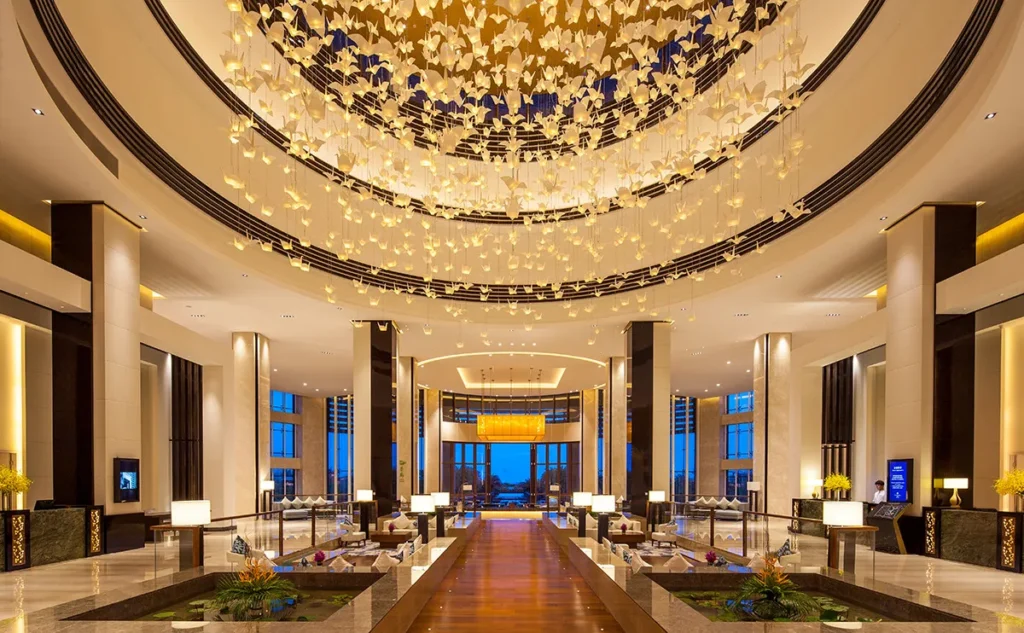
Hotel Lobby & Public Areas
Public areas usually feature:
- Large open spaces
- High ceilings
- Heavy pedestrian traffic
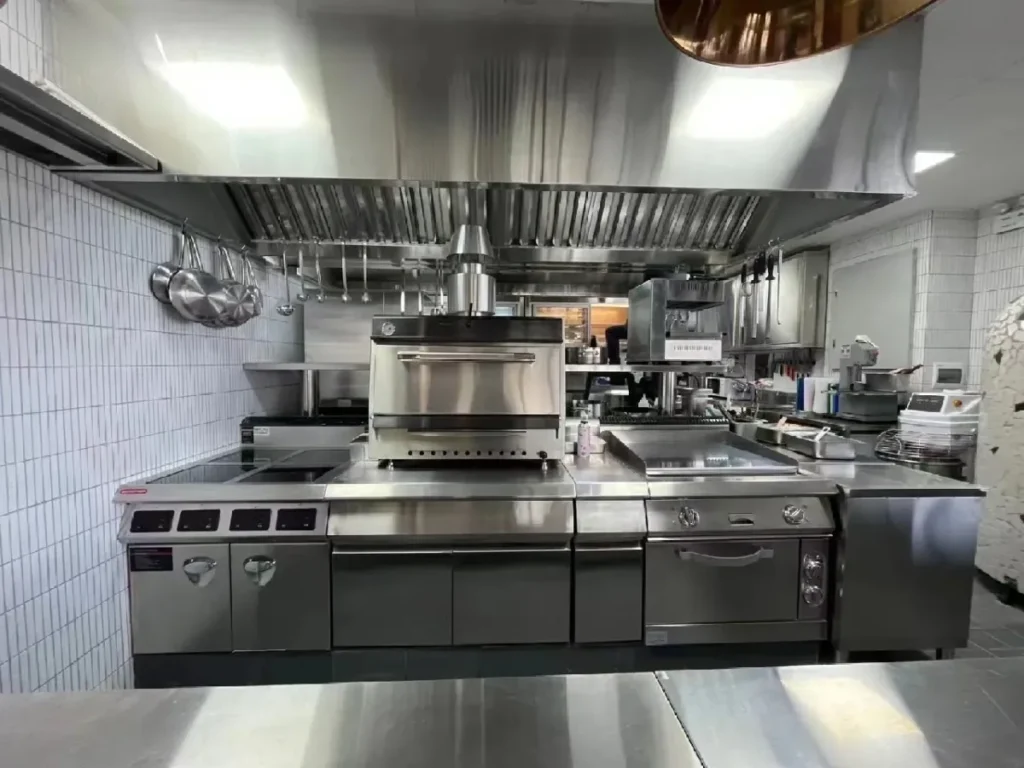
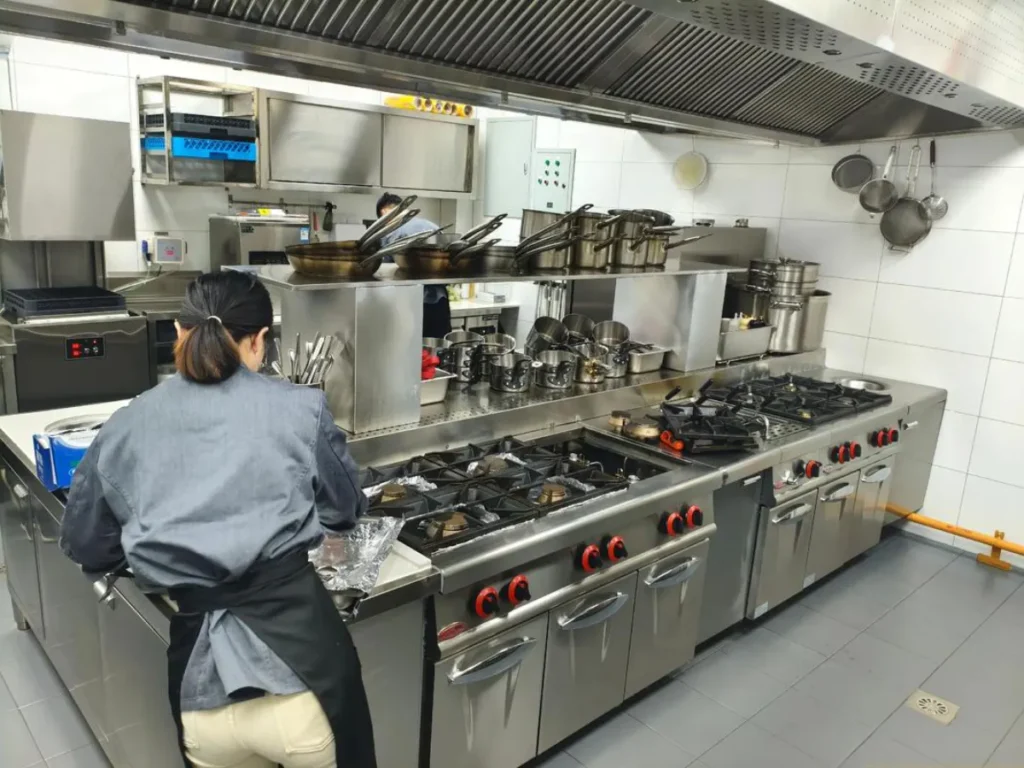
Hotel Kitchens
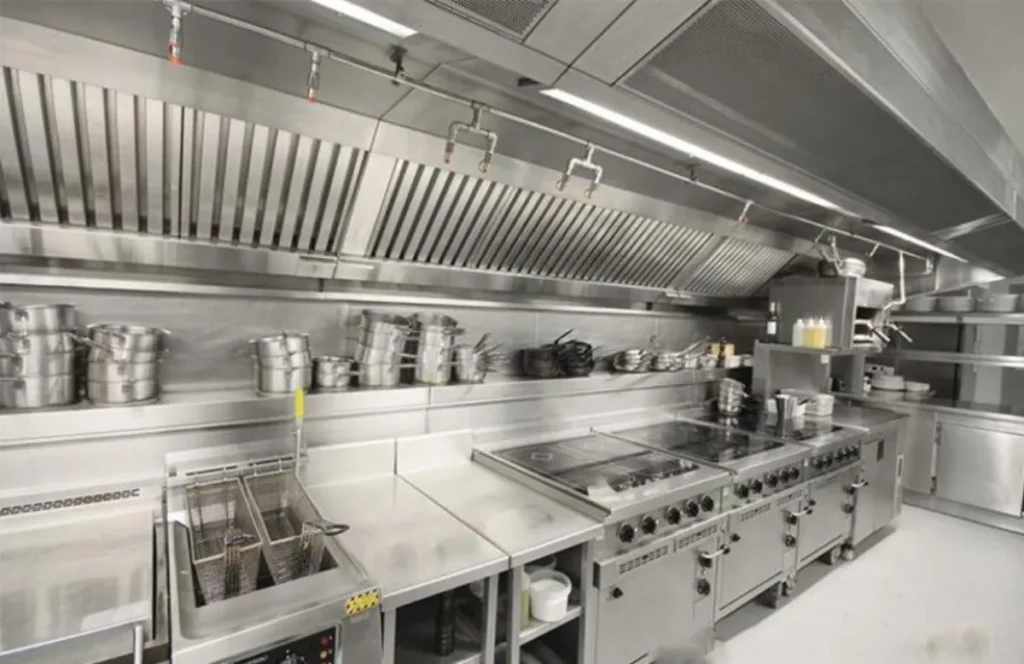
Hotel kitchens present some of the most severe fire risks within hospitality environments.
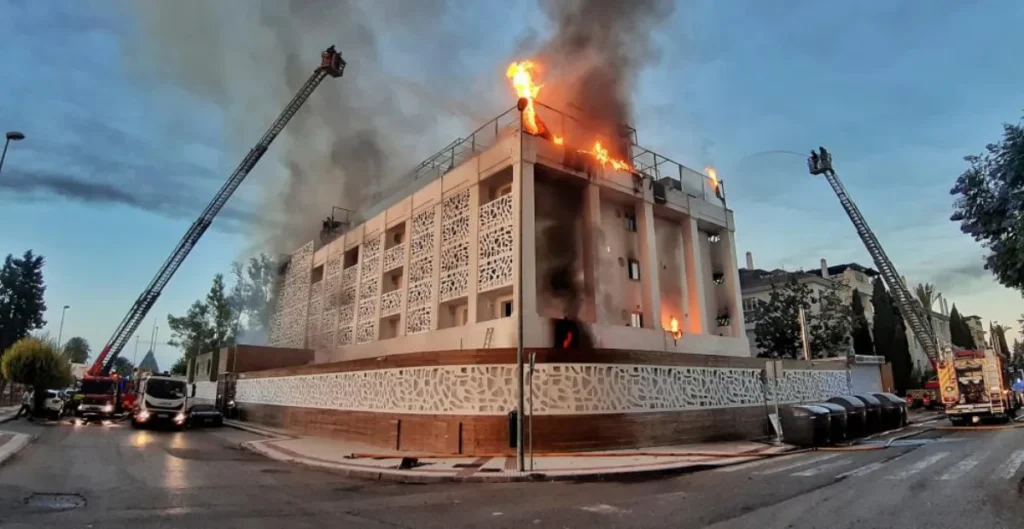
According to FEMA fire statistics, cooking equipment is the leading cause of hotel fires, accounting for 46% of all reported hotel and motel fires in the United States. This underscores why dedicated kitchen fire suppression is not an option — it is a code-level requirement.
Key hazards include:
- High-temperature cooking equipment (deep fryers, grills, woks)
- Accumulated grease in exhaust hoods and ductwork
- Open flames in close proximity to combustible oils
- High-density heat sources operating simultaneously
Unlike public areas, kitchen fires can escalate rapidly — grease fires cannot be extinguished with water and require specialized wet chemical suppression systems. In addition, combustible gas leaks from kitchen fuel lines represent a hidden but critical hazard that demands dedicated gas detection and automatic shut-off capabilities.
Guest Room Areas
Guest rooms often contain:
- Combustible decorative materials
- Carpets, wallpaper, fabric furnishings, and wood finishes
- Unregulated electrical appliance usage
- Smoking-related fire risks
In addition, hotel guests are unfamiliar with the building layout, making evacuation more difficult during emergencies.

Why Hotel Fire Protection Demands Specialized Engineering
Unlike office buildings or residential environments where occupants are familiar with the surroundings, hotels accommodate constantly changing guests within highly compartmentalized spaces.
During a fire emergency
- Occupants may react slowly
- Self-rescue capability is limited
- Evacuation efficiency decreases significantly
During a fire emergency:
- Early fire detection
- Immediate alarm notification
- Fast suppression response
- Controlled smoke and fire spread
- Efficient evacuation guidance

Omnifir Hotel Fire Protection Solutions
Omnifir’s hotel fire protection solutions are divided into three major systems:
1. Fire Alarm Systems
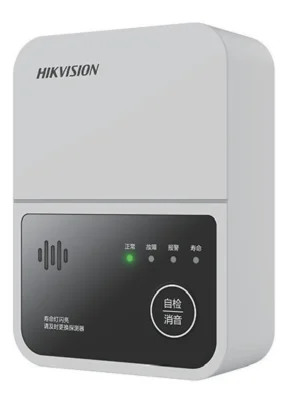
Omnifir fire alarm systems use smoke, heat, and thermal detection technologies to provide early fire warnings throughout hotel environments.
For public areas and guest rooms, Omnifir deploys centralized fire alarm systems with real-time monitoring capabilities. For hotel kitchens, dedicated alarm systems with combustible gas detection are used to identify fire risks at an early stage.
All alarm systems can be integrated into a visual cloud-based fire safety platform for rapid response and centralized monitoring.
2. Fire Suppression Systems
Omnifir provides fire suppression solutions for both hotel public areas and commercial kitchens.
Public spaces and guest rooms are protected through sprinkler and hydrant systems designed according to project requirements. For commercial kitchens, specialized suppression systems are used to handle grease and high-temperature fire risks.
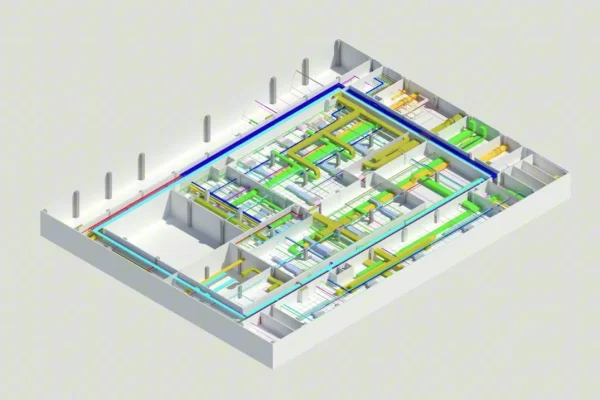
Our engineering team coordinates closely with main contractors during BIM and MEP coordination stages to ensure proper integration between sprinkler systems, HVAC ducting, smoke control systems, and ceiling layouts.
Integrated linkage between alarm and suppression systems helps control fire emergencies at the earliest stage.
3. Emergency Lighting & Exit Guidance Systems
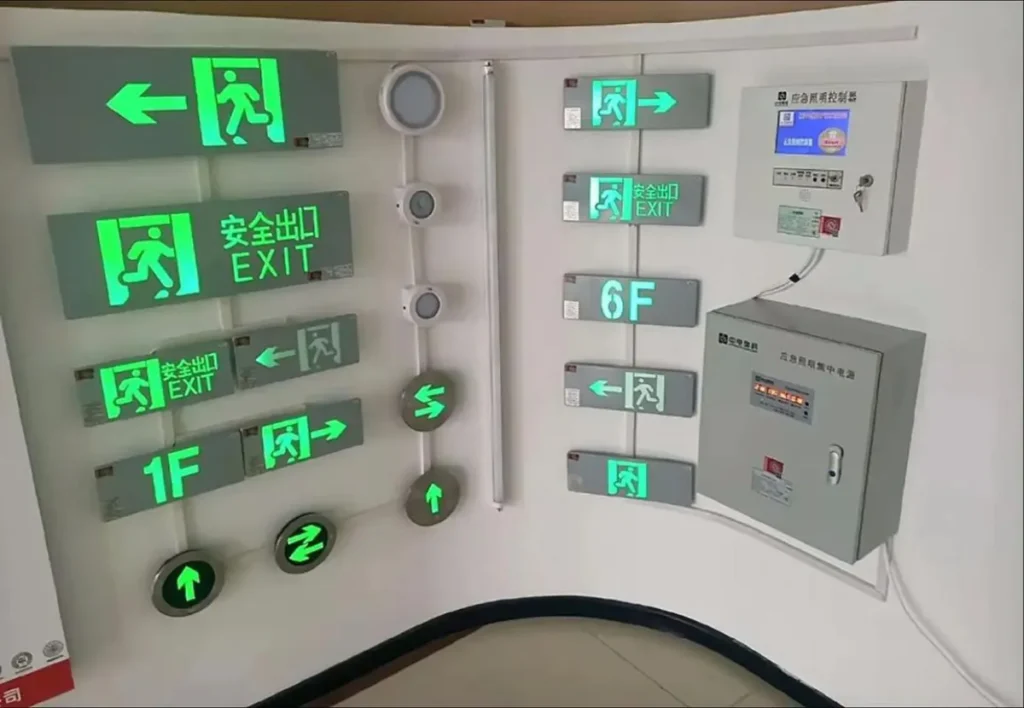
Omnifir emergency lighting and exit guidance systems are designed to support fast and safe evacuation during emergencies.
For hotel projects, emergency lighting and signage are integrated carefully into the interior environment to maintain both safety performance and architectural aesthetics.
In fire emergencies, the system automatically activates evacuation lighting and directional guidance to help occupants quickly locate safe exits.
System Comparison at a Glance
Omnifir integrates three core fire protection systems into a single coordinated solution. The table below compares their functions and capabilities across key operational dimensions.
| Dimension | Fire Alarm System | Fire Suppression | Emergency Lighting |
|---|---|---|---|
| Core function | Detect and alert | Contain and extinguish | Guide and illuminate |
| Key equipment | Smoke, heat, gas detectors | Sprinklers, hydrants, kitchen hood suppression | Exit signs, emergency luminaires |
| Detection method | Smoke particles, heat rise, combustible gas concentration | Heat-activated sprinkler bulb, manual pull station | Fire alarm signal trigger |
| Response time | Detection within 5 to 15 seconds | Activation within 2 to 5 seconds | Instant on alarm signal |
| Coverage area | All zones: guest rooms, public areas, kitchens | All zones plus dedicated kitchen wet chemical | Corridors, stairwells, exit routes |
| System integration | Triggers suppression and notification to cloud platform | Receives alarm signal, auto-activates | Linked to fire alarm activation |
| Cloud monitoring | Yes — real-time device status | Yes — valve and pressure monitoring | Yes — battery and circuit diagnostics |
| Compliance standard | GB 50116 / NFPA 72 | GB 50084 / NFPA 13 | GB 51309 / NFPA 101 |

Project Case Study
Omnifir completed a comprehensive fire protection project for a five-star hotel development in Ganzhou, China.
Fire alarm systems
Fire suppression systems
Emergency lighting & evacuation guidance systems
Intelligent Fire Alarm Platform
Through the visual monitoring interface, Fire Safety Monitoring Officers could directly supervise:
- Smoke detectors
- Heat detectors
- Alarm conditions
- System status
The platform was also connected to cloud services, allowing responsible personnel to remotely monitor fire protection conditions and receive real-time alarm notifications.
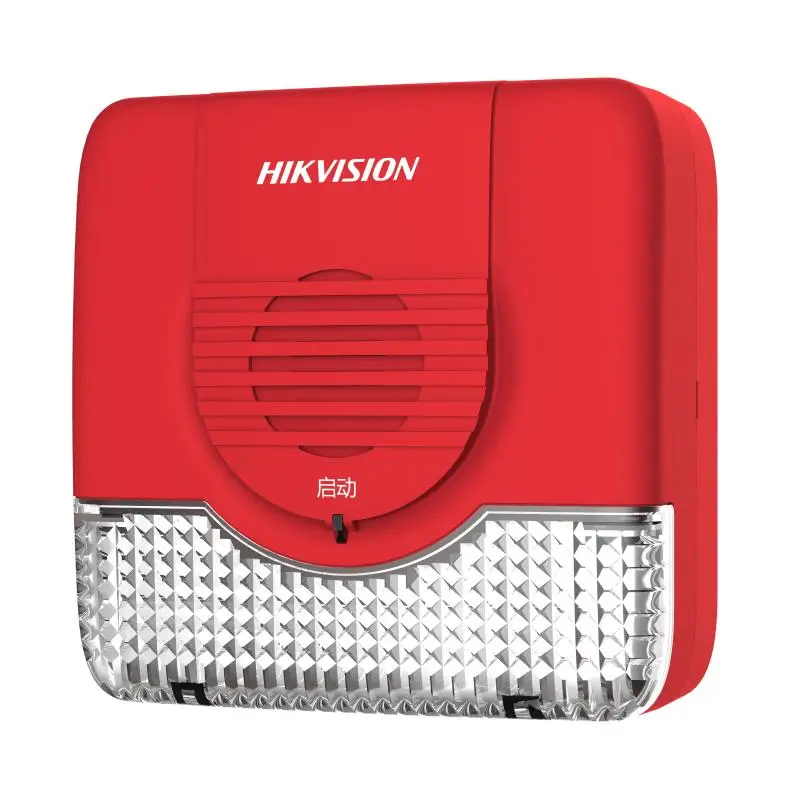
Independent Fire Sound and Light Alarm
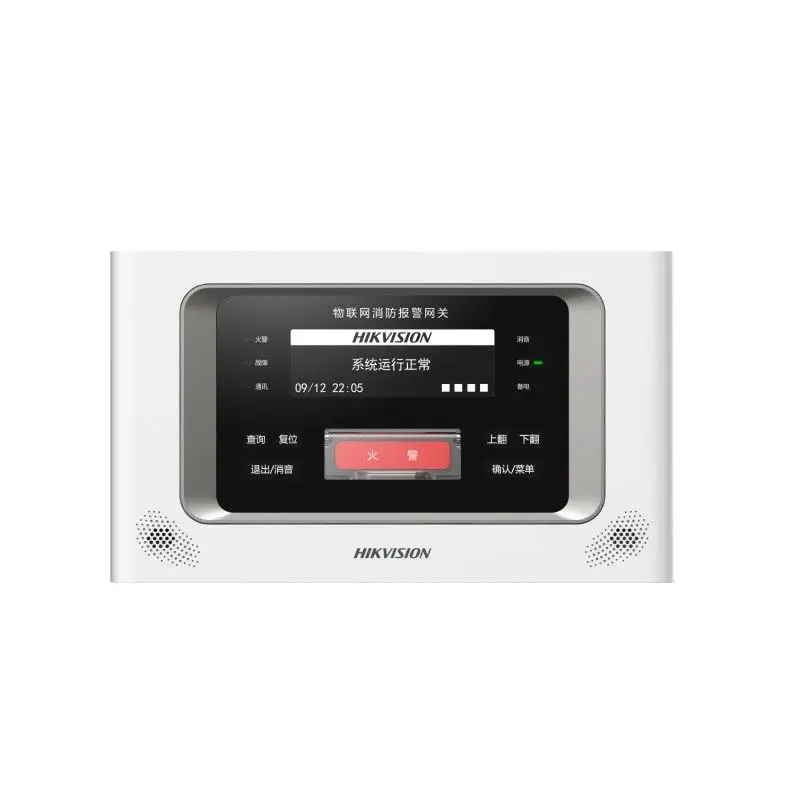
Independent Fire Alarm System Unit
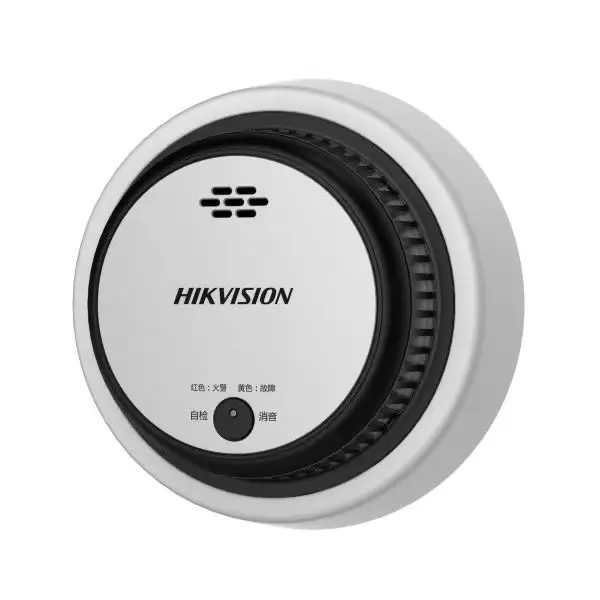
Independent Photoelectric Smoke Detector
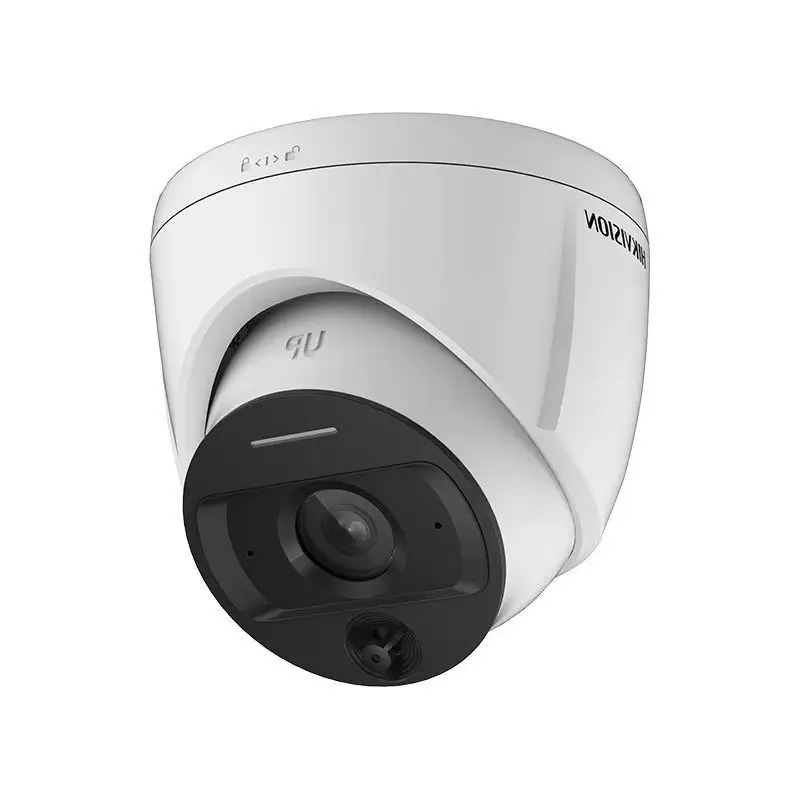
Thermal Imaging Temperature-Sensing Fire Detector
Fire Suppression Engineering Coordination
Omnifir coordinated closely with the main contractor during the BIM coordination stage to ensure proper integration between:
- Fire sprinkler systems
- HVAC duct systems
- Smoke exhaust systems
- Mechanical infrastructure
Based on sprinkler flow requirements and projected occupancy demand, Omnifir optimized:
- Fire hydrant systems
- Pump room systems
- Sprinkler distribution networks
The integrated linkage between alarm systems and suppression systems enabled rapid fire control during emergency events.
Emergency Lighting & Guidance Integration
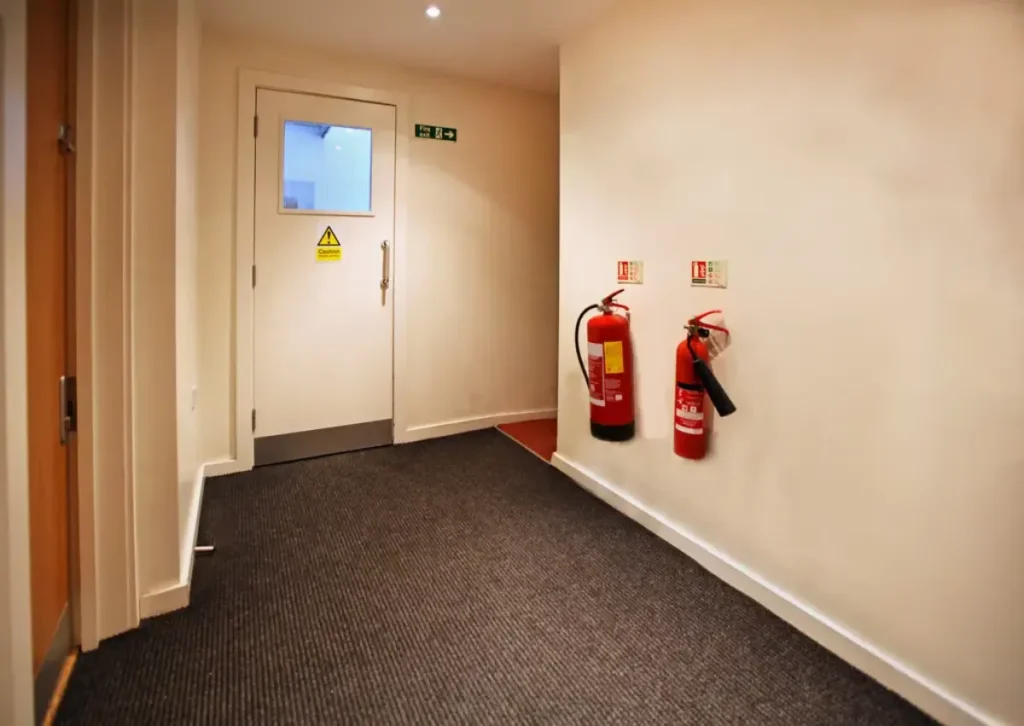
As part of the hotel’s premium interior design standards, Omnifir carefully integrated emergency lighting and evacuation guidance systems into the architectural environment without compromising aesthetic quality.
In emergency conditions, the system automatically activates illuminated guidance paths to help guests identify evacuation exits quickly and safely.
Project Value
Omnifir is not just an installation contractor — we provide the engineering coordination and execution required to make fire protection systems work effectively in real hotel projects.
From fire alarm systems and sprinkler systems to emergency lighting and evacuation guidance, Omnifir focuses on delivering integrated fire protection solutions tailored for modern hospitality environments.
Coordinated Fire Response Timeline
The chart below illustrates how a typical hotel kitchen fire escalates within 60 seconds and how Omnifir's three-system integration delivers coordinated containment within 30 seconds and full evacuation within 180 seconds.
Frequently Asked Questions
Common questions about hotel fire protection systems