Why Choosing the Right Fire Suppression System Matters
Choosing the wrong type for your environment can mean equipment damage, regulatory fines, or worse — system failure during an actual fire. Each system type is engineered for specific fire classes, occupancy types, and suppression mechanisms.
This guide covers seven major types of fire suppression systems, organized by suppression agent and application. For each: how it works, where it fits, typical costs, compliance standards, and the scenarios where it is not the right choice.
Wet Chemical Fire Suppression Systems
How It Works
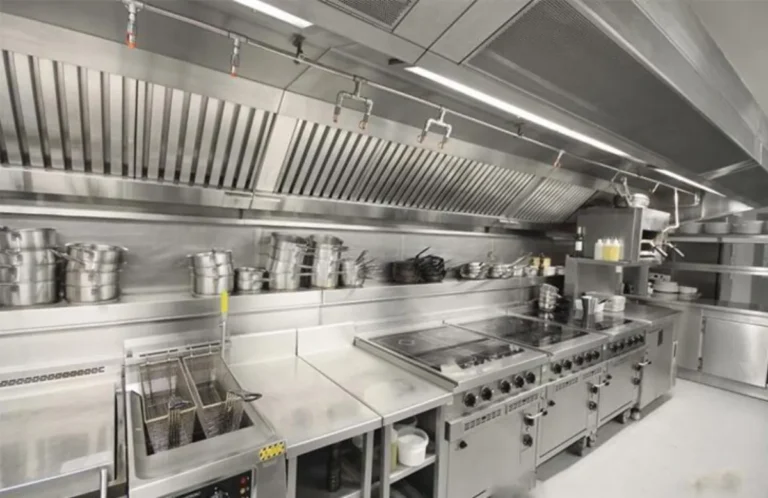
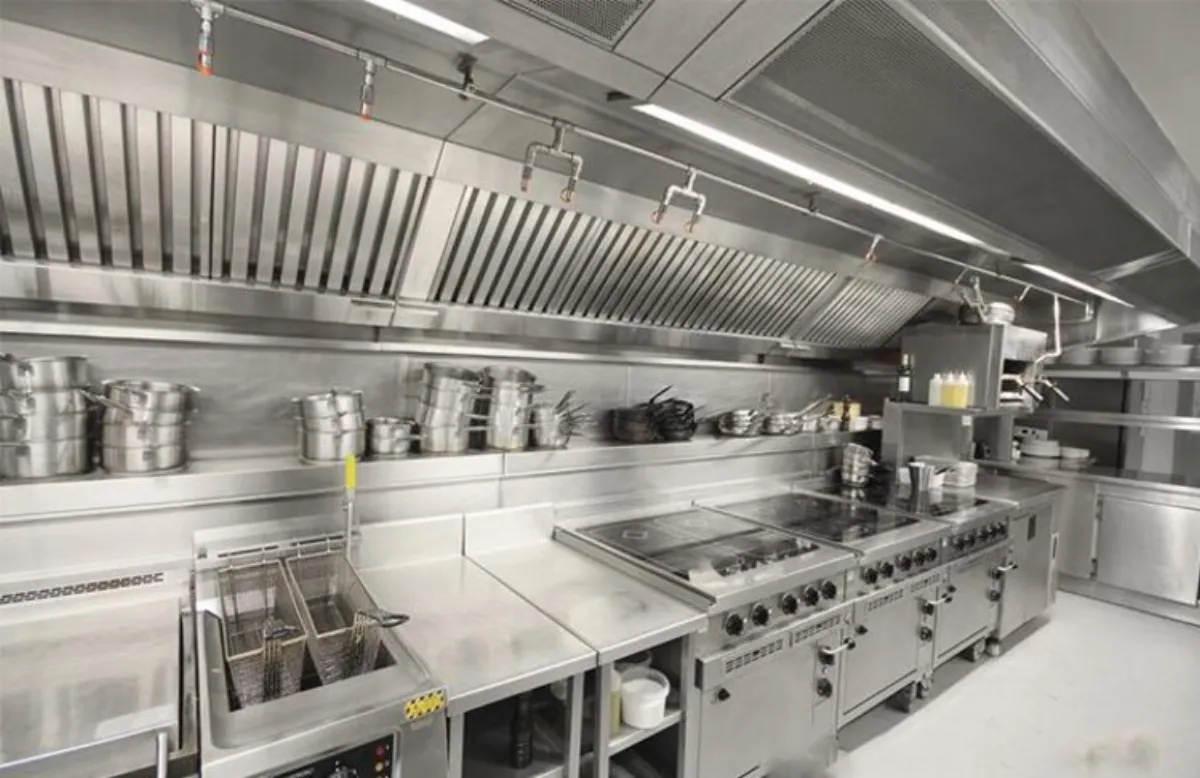
Wet chemical systems discharge a potassium-based liquid agent that reacts with hot grease to form a soap-like foam layer. This foam cools the fire below its ignition point and creates a vapor-sealing barrier that prevents re-ignition.
Best For
- Commercial kitchens (restaurants, hotels, institutional cafeterias)
- Food trucks and trailers
- Any cooking environment with deep fryers, griddles, or woks
Compliance Standards
- NFPA 17A — Standard for Wet Chemical Extinguishing Systems
- UL 300 — Fire Testing of Fire Extinguishing Systems for Protection of Commercial Cooking Equipment
Typical Cost Range
$3,000 – $8,000 installed for a standard single-hood kitchen system. Larger multi-hood setups can exceed $15,000. Semi-annual inspections average $200–400 per visit.
Not Ideal When
- The hazard involves energized electrical equipment — wet chemical is conductive and can damage electronics
- The fire risk is not grease-based (e.g., paper, wood, or flammable liquids) — other agents are more effective
- The space is unoccupied and contains high-value assets that would be damaged by cleanup — consider clean agent instead
Dry Chemical Fire Suppression Systems
How It Works
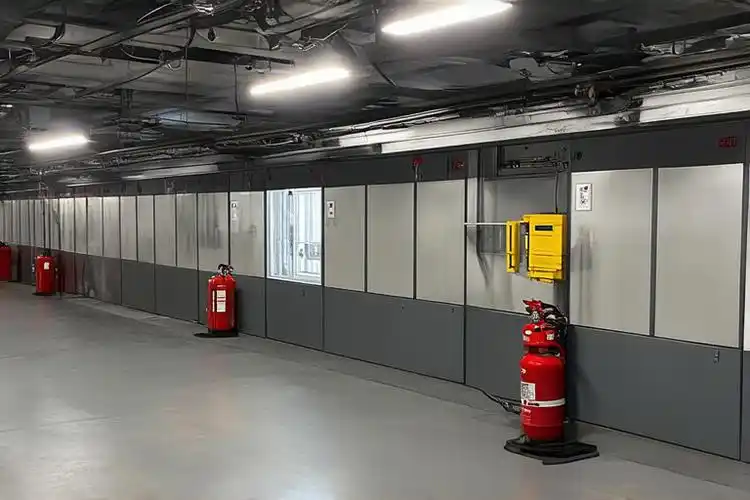
Dry chemical systems discharge a fine powder (typically monoammonium phosphate or sodium bicarbonate) that interrupts the chemical chain reaction of combustion. The powder also forms a heat-absorbing barrier over the fuel surface.
Best For
- Industrial paint booths and spray areas
- Flammable liquid storage (Class B fires)
- Vehicle service bays and heavy equipment areas
- Outdoor equipment and generator enclosures
Compliance Standards
- NFPA 17 — Standard for Dry Chemical Extinguishing Systems
Typical Cost Range
$2,000 – $5,000 for a basic industrial system. Agent refill costs after discharge are relatively low at $150–400 per cylinder.
Not Ideal When
- The protected space contains sensitive electronics — dry chemical powder is corrosive and extremely difficult to clean
- Food processing areas where contamination is unacceptable
- Occupied spaces where visibility reduction during discharge creates evacuation hazards
CO2 Fire Suppression Systems
How It Works
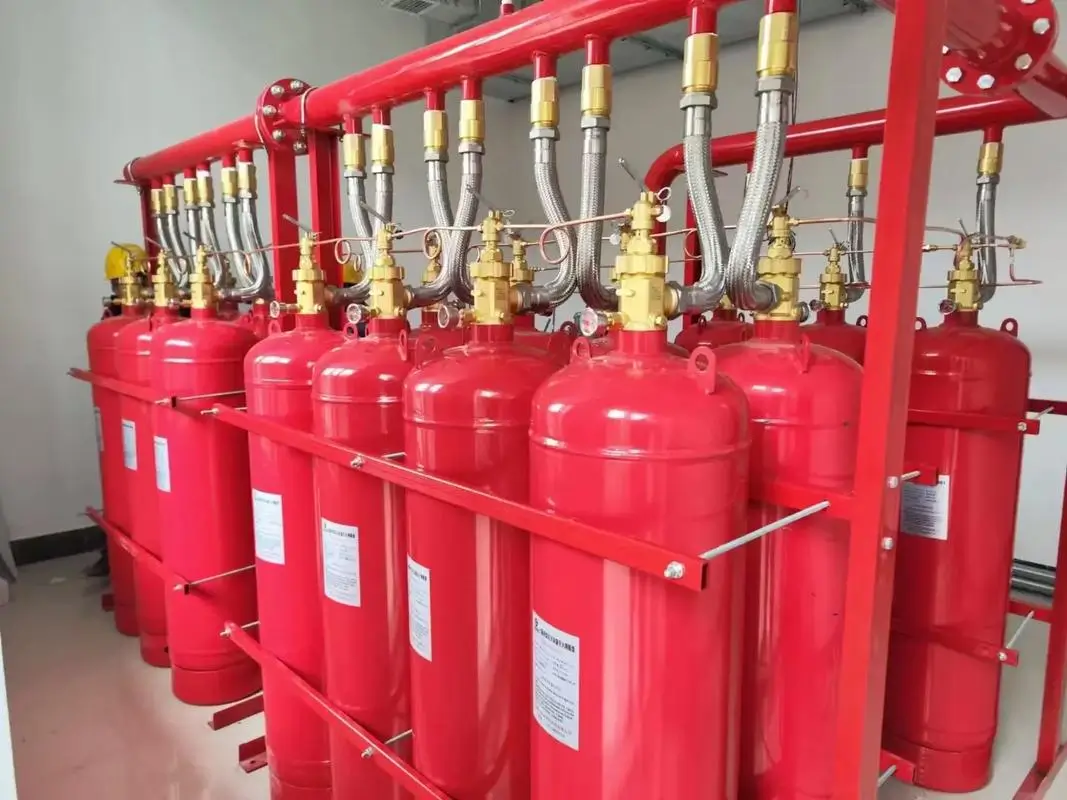
Carbon dioxide (CO2) systems flood the protected space with inert gas, reducing oxygen concentration below the level required to sustain combustion (~15%). CO2 is stored as a liquid under pressure and expands rapidly upon discharge.
Best For
- Unoccupied machinery spaces and engine rooms
- Flammable liquid storage and processing areas
- Printing presses and industrial roll coaters
- Marine engine rooms and pump rooms (subject to SOLAS and MED certification)
Compliance Standards
- NFPA 12 — Standard on Carbon Dioxide Extinguishing Systems
Typical Cost Range
$5,000 – $20,000+ depending on protected volume. High-pressure cylinders require periodic hydrostatic testing (every 5–12 years depending on jurisdiction).
Not Ideal When
- Occupied spaces — CO2 is lethal at fire-suppressing concentrations (~34% by volume). NFPA 12 requires pre-discharge alarms and time delays in spaces that personnel could enter, Many jurisdictions prohibit CO2 in occupied areas outright.
- Small enclosed rooms without adequate ventilation for post-discharge clearing
- Situations where a slow, sustained suppression effect is needed — CO2 dissipates quickly
Clean Agent Fire Suppression Systems
How It Works
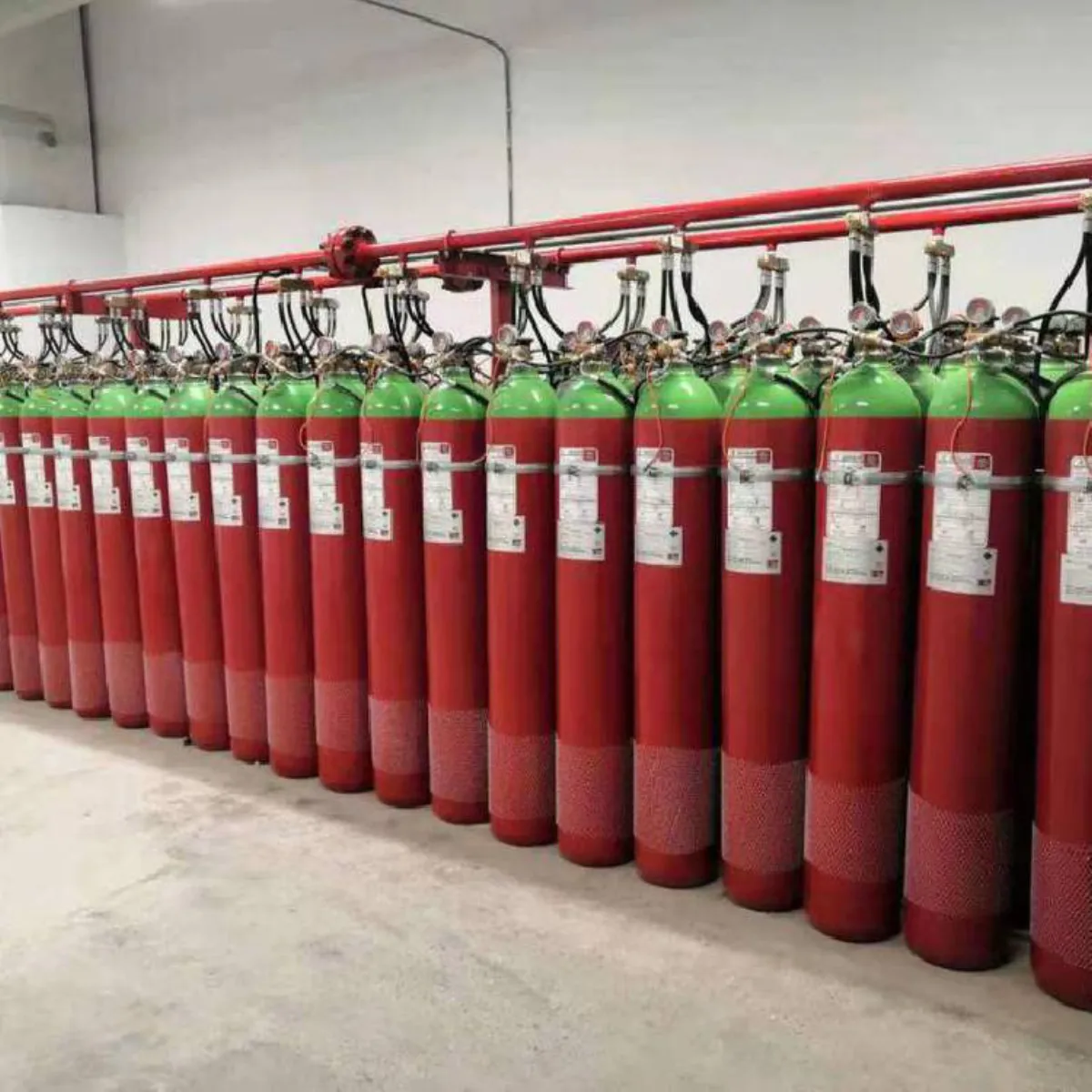
Clean agent systems discharge electrically non-conductive, volatile gases (FM-200, Novec 1230, or inert gas blends like Inergen) that extinguish fires primarily through heat absorption and, in some cases, oxygen displacement. These agents leave no residue.
Best For
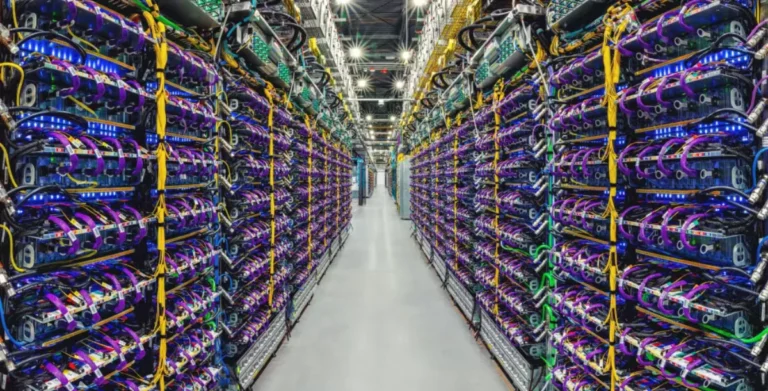
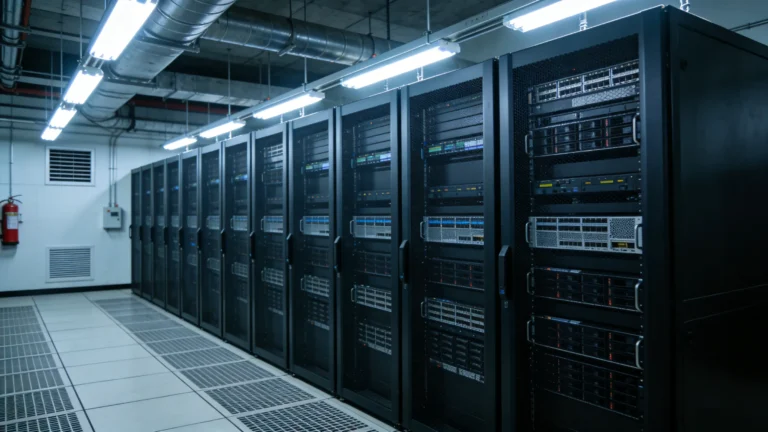
- Data centers, server rooms, and telecom facilities
- Museums, archives, and rare book libraries
- Hospital operating rooms and MRI suites
- Control rooms with critical electronics
Compliance Standards
- NFPA 2001 — Standard on Clean Agent Fire Extinguishing Systems
Typical Cost Range
$15,000 – $50,000+ for a typical data center installation. Agent refill costs are significant: FM-200 runs $40–60/lb, Novec 1230 approximately $80–120/lb. Budget 30–50% of initial system cost for a major agent refill after discharge.
Not Ideal When
- Budget is tight — clean agent systems have the highest upfront and recharge costs
- The protected space has poor enclosure integrity — agent concentration cannot be maintained if there are large unsealed openings
- The fire risk involves deep-seated smoldering (Class A) — clean agents are less effective on materials that can reignite from internal heat
Foam Fire Suppression Systems
How It Works
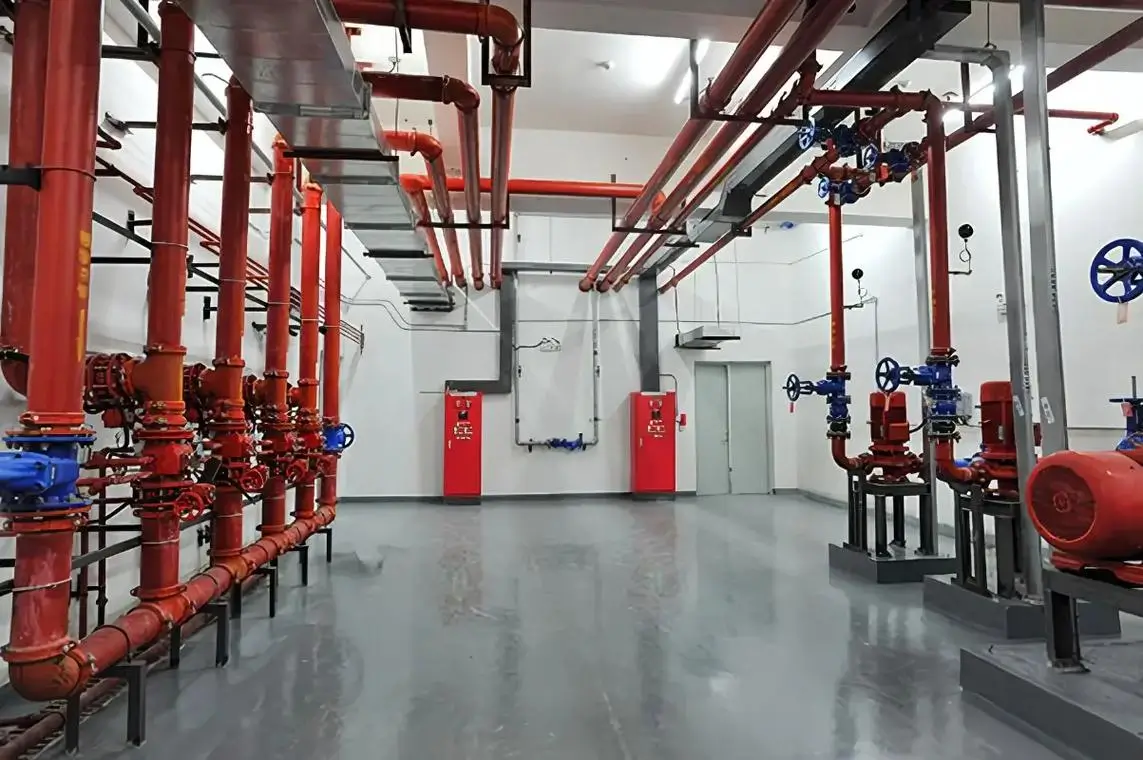
Foam systems mix water with foam concentrate (AFFF, AR-AFFF, or fluorine-free alternatives) to produce a blanket of foam that smothers flammable liquid fires, cools the fuel surface, and suppresses vapor release.
Best For
- Aircraft hangars and helipads
- Fuel storage tanks and loading racks
- Chemical processing plants
- Marine vessel machinery spaces (MED/SOLAS certified)
Compliance Standards
- NFPA 11 — Standard for Low-, Medium-, and High-Expansion Foam
Typical Cost Range
$10,000 – $40,000+ depending on protected area and foam concentrate type. AFFF concentrate costs $25–50/gallon; fluorine-free alternatives can run $60–120/gallon. Annual concentrate testing adds $500–1,500/year.
Not Ideal When
- Water-sensitive chemicals are stored (e.g., certain metal hydrides, reactive metals)
- The protected area contains energized high-voltage equipment — foam is conductive
- Environmental regulations are tightening on fluorine-containing foam — check local requirements for PFAS/PFOA compliance. The industry is moving toward fluorine-free foam in many jurisdictions.
Water-Based Systems (Sprinklers, Water Mist, Deluge)
How It Works
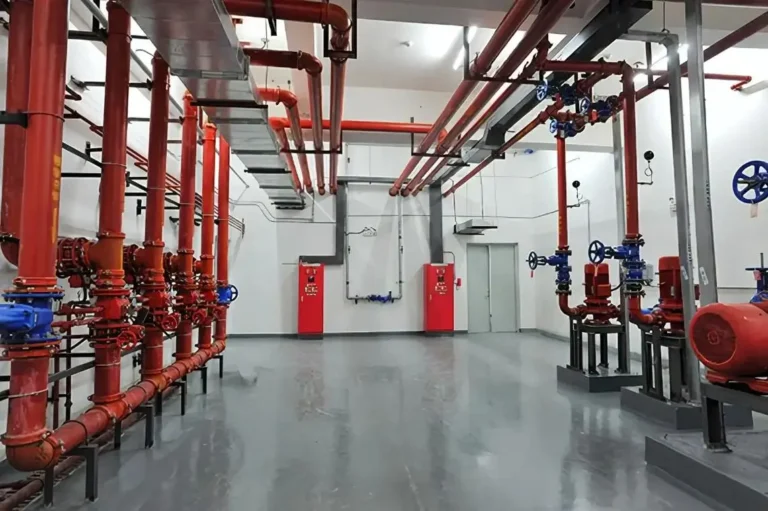
Water-based systems deliver suppression through sprinkler heads (wet pipe, dry pipe, pre-action, or deluge) or fine-mist nozzles. Water mist systems use high pressure to create droplets small enough to absorb heat rapidly without causing the water damage of a traditional sprinkler flood.
Best For
- Wet pipe: heated commercial buildings, offices, retail
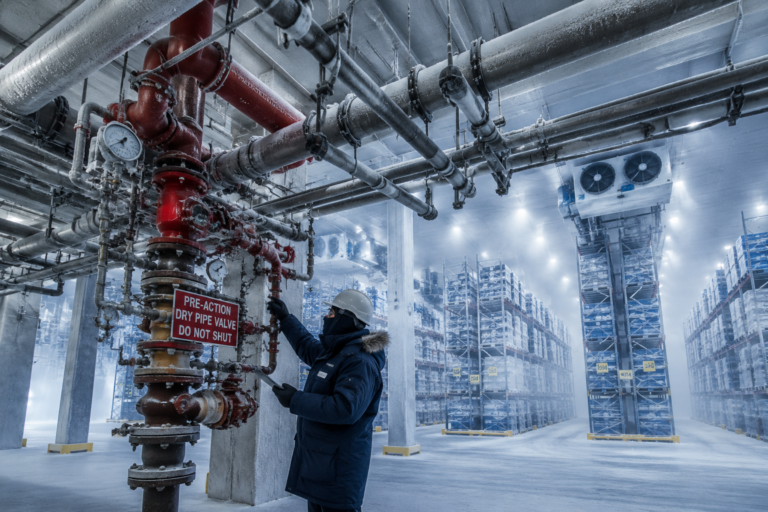
- Dry pipe: unheated warehouses, parking garages (prevents freezing)
- Pre-action: areas with water-sensitive equipment (uses a two-step activation)
- Deluge: high-hazard areas like chemical storage and tunnels
- Water mist: historic buildings, ship cabins, machinery spaces
Compliance Standards
- NFPA 13 — Standard for the Installation of Sprinkler Systems
- NFPA 750 — Standard on Water Mist Fire Protection Systems
Typical Cost Range
$1.50 – $4.00 per square foot for wet pipe commercial sprinklers. Water mist systems run $3.00 – $8.00 per square foot. Maintenance is relatively low-cost at $200–500/year for annual inspections.
Not Ideal When
- The protected space contains water-reactive materials
- The environment requires zero water damage tolerance (e.g., rare archives) — consider clean agent
- Freezing conditions exist and dry pipe/pre-action is not feasible
System Comparison Table
| System Type | Best Application | Upfront Cost | Annual Maintenance | Agent Recharge Cost | Leave Residue? | Occupied Space Safe? |
|---|---|---|---|---|---|---|
| Wet Chemical | Commercial kitchens | $3k–$8k | $400–800 | $200–500 | Yes (soap-like) | Yes |
| Dry Chemical | Industrial, paint booths | $2k–$5k | $300–600 | $150–400 | Yes (powder) | Limited |
| CO2 | Unoccupied machinery | $5k–$20k+ | $500–1,200 | $200–600 | No | ❌ No |
| Clean Agent | Data centers, server rooms | $15k–$50k+ | $800–2,000 | $1,500–10,000+ | No | Yes |
| Foam | Fuel storage, hangars | $10k–$40k+ | $1,000–3,000 | $500–5,000+ | Yes (foam) | Limited |
| Wet Sprinkler | Offices, retail, warehouses | $1.50–$4/sq.ft | $200–500 | N/A (water) | Yes (water) | Yes |
| Water Mist | Ship cabins, historic buildings | $3–$8/sq.ft | $300–800 | N/A (water) | Minimal | Yes |
Decision Engine: Which Fire Suppression System to Choose
If You Have a Commercial Kitchen →
Choose wet chemical. It is the only type specifically tested (UL 300) for grease fires and required by NFPA 96 for most commercial cooking operations.
If You Run a Data Center or Server Room →
Choose clean agent (FM-200 or Novec 1230). It protects electronics without residue, is safe for occupied spaces, and meets NFPA 2001 requirements. Water-based systems risk catastrophic equipment damage.
If You Store Flammable Liquids (fuel, solvents) →
Choose foam for large outdoor tanks and loading areas; choose dry chemical for smaller indoor storage rooms. Both provide rapid knockdown of Class B fires.
If You Operate in Multiple Countries →
Choose a supplier with multi-standard certification (UL + FM + CE + MED as needed). This avoids re-certifying equipment for every project jurisdiction.
If Budget Is the Primary Constraint →
Choose water sprinklers (wet pipe). They offer the lowest lifecycle cost per square foot and have the widest insurance industry acceptance. However, confirm that water damage from accidental discharge is an acceptable risk.
Compliance: Key NFPA Standards by System Type
| Standard | Covers | Applicable Systems |
|---|---|---|
| NFPA 13 | Sprinkler system installation | Wet, dry, pre-action, deluge |
| NFPA 11 | Foam systems | Low/medium/high-expansion foam |
| NFPA 12 | CO2 systems | Carbon dioxide |
| NFPA 17 | Dry chemical systems | Dry chemical |
| NFPA 17A | Wet chemical systems | Kitchen hood suppression |
| NFPA 2001 | Clean agent systems | FM-200, Novec 1230, inert gas |
| NFPA 750 | Water mist systems | Water mist |
For international projects, also verify compliance with EN (European), MED (Marine Equipment Directive), and local fire codes. UL, FM, or equivalent notified body certification is required for equipment acceptance.
FAQ
What is the difference between fire suppression and fire sprinklers?
Fire sprinklers are a subset of water-based fire suppression. A sprinkler system uses water from a pressurized piping network. A fire suppression system is the broader category — it includes sprinklers but also chemical, gaseous, and foam-based systems. Not every suppression system uses water; not every sprinkler is suitable for all fire types.
How often should fire suppression systems be inspected?
Inspection frequency depends on system type and jurisdiction. Under NFPA standards, wet chemical kitchen systems require semi-annual inspection (NFPA 17A). Sprinkler systems require annual inspection (NFPA 25). Clean agent systems require semi-annual container weighing. CO2 cylinders require periodic hydrostatic testing. Always check the applicable NFPA standard and your local AHJ.
Which fire suppression system is most cost-effective?
For general commercial buildings, wet pipe sprinklers offer the lowest total cost of ownership at $1.50–$4.00 per square foot installed with minimal annual maintenance. For specialized environments, cost-effectiveness must be measured against the cost of potential damage from using the wrong system — a $15,000 clean agent system in a server room is far more cost-effective than a $2,000 sprinkler system that destroys $500,000 in server equipment.
References
- NFPA — List of NFPA Codes and Standards — Official source for NFPA 11, 12, 13, 17, 17A, 2001, and 750 standards referenced above.
- UL Solutions — UL 300 Standard Overview — Testing standard for commercial kitchen fire suppression systems.
- FM Approvals — Fire Protection Equipment Certification — Certification body information for fire protection products.
- US EPA — PFAS Strategic Roadmap and Firefighting Foam — Environmental regulatory context for foam suppression agent selection.
- NFPA Research — Fire Loss in the United States — Data on fire incident frequency, loss estimates, and suppression system effectiveness.
- NIST — Suppression System Performance Studies — Technical research on suppression agent effectiveness across fire classes and environments.
If You Only Remember One Thing
Match the suppression agent to the hazard, not the budget. A $3,000 wet chemical system in a kitchen is the right call; a $2,000 sprinkler in a server room is a disaster waiting to happen. The cheapest system is the one that actually works when the fire starts.