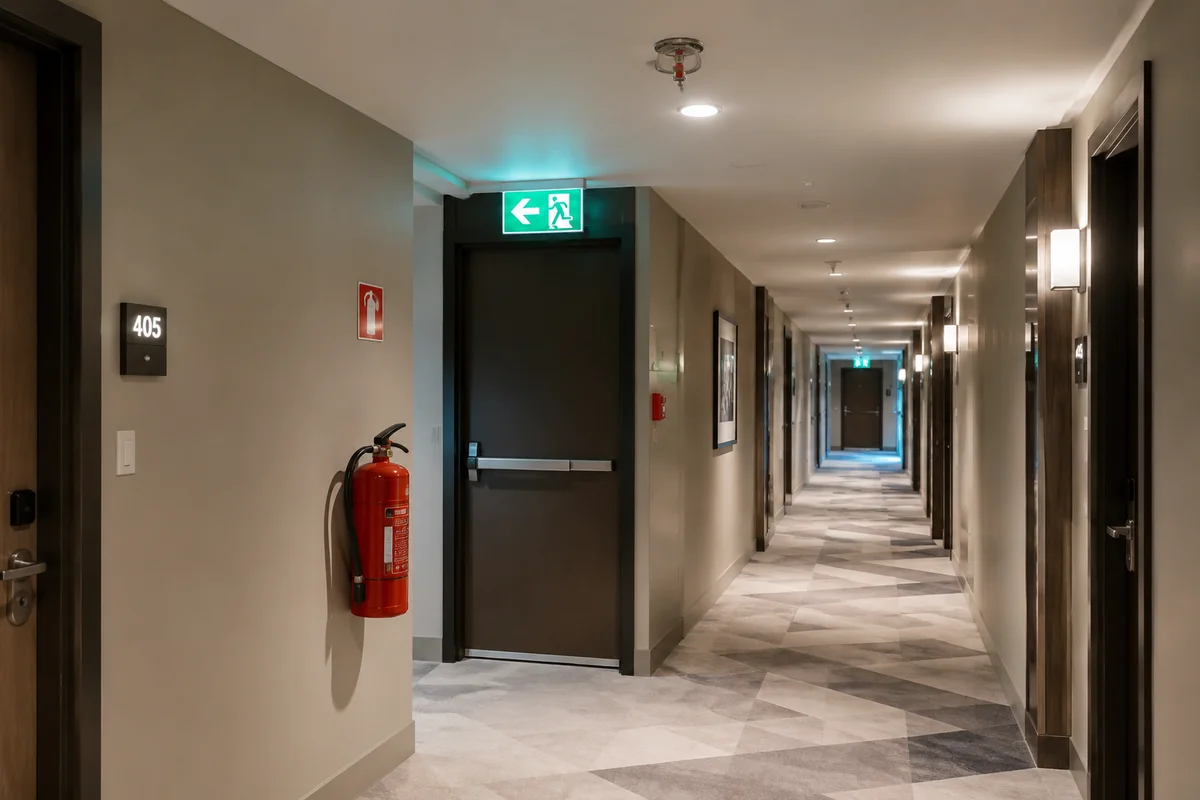
Hotel fire safety compliance requires coordination across at least seven NFPA codes or their GB equivalents — this guide consolidates them into a single actionable checklist.
The most common violations in hotel properties are: blocked exits, missing extinguisher inspections, and undocumented kitchen hood cleaning.
For international projects, the gap between NFPA (US) and GB (China) standards creates compliance risk — a single supplier familiar with both codes eliminates that risk.
Annual fire audits reduce insurance premiums by 15-25% and catch violations before they escalate into fines or liability.
1. Why Hotel Fire Safety Compliance Matters — The Real Cost of Getting It Wrong
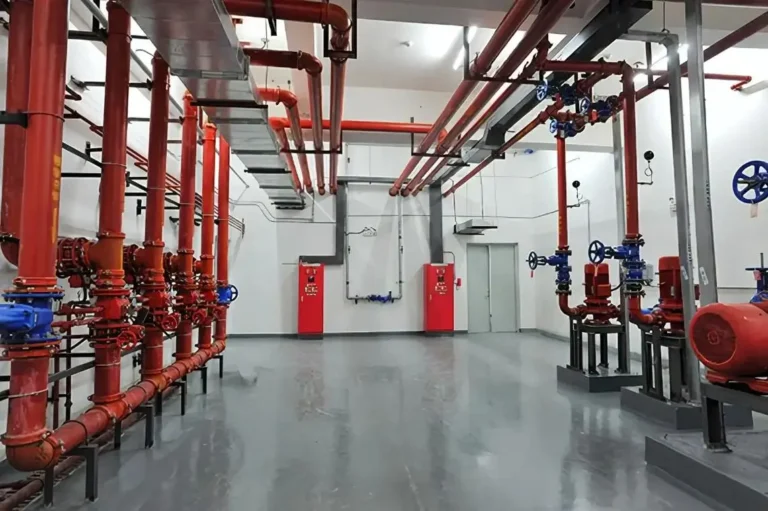
Hotel fire safety is governed by more codes than most property types. A single hotel must comply with NFPA 101 (Life Safety Code), NFPA 72 (Fire Alarm), NFPA 25 (Sprinkler Maintenance), NFPA 10 (Extinguishers), NFPA 96 (Kitchen Hoods), NFPA 80 (Fire Doors), and — for high-rise properties — NFPA 14 (Standpipes) and NFPA 92 (Smoke Control). In GB jurisdictions, the equivalent codes (GB 50016, GB 50116, GB 50261) add their own requirements.
What happens when compliance gaps are found?
Scenario
Consequence
Estimated Cost
AHJ inspection finds blocked exits
Fine + re-inspection fee
$500–$5,000 per violation
Kitchen fire suppression not serviced in 6 months
Insurance claim denied
Potential $500K+ loss
Sprinkler system valve found closed
Negligence liability
Unlimited in injury cases
No documented monthly extinguisher checks
NFPA non-compliance + fine
Up to $7,000/fine (OSHA)
Beyond fines, a fire incident at a hotel causes business interruption, brand damage, and — worst case — guest fatalities. Compliance is not optional.
2. The Complete Hotel Fire Safety Checklist (NFPA + GB Cross-Reference)
Below is the comprehensive checklist organized by system. Each item lists the governing standard, inspection frequency, and both NFPA and GB code references.
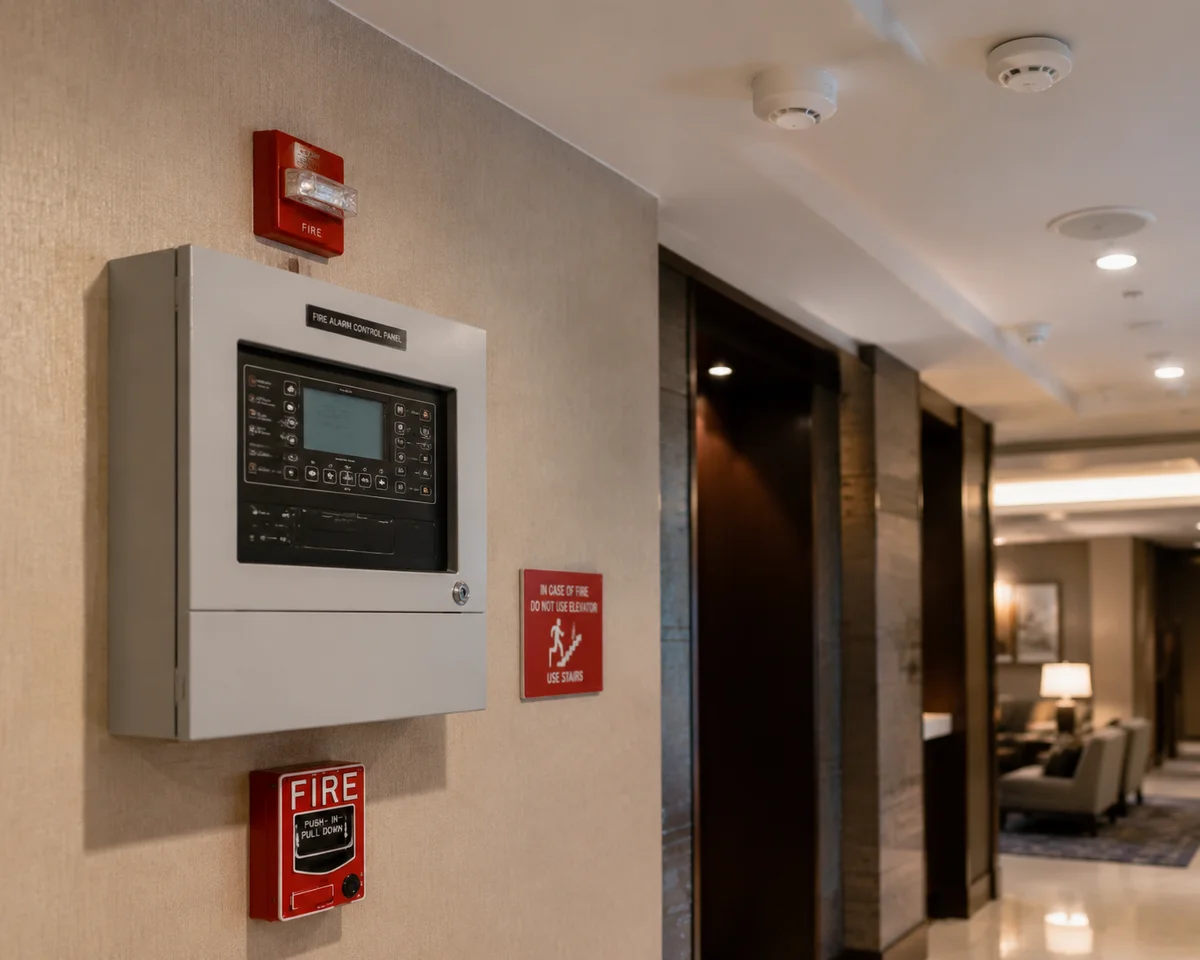
2.1 Fire Alarm Systems — NFPA 72 / GB 50116
#
Check Item
NFPA Ref
GB Ref
Frequency
1
Fire alarm panel in normal condition (no trouble/supervisory signals)
72 §10.5
GB 50116 §6.1
Daily
2
Smoke detectors in every guest room, corridor, and common area
72 §17.7
GB 50116 §6.2
Annual test
3
Manual pull stations at each exit — unobstructed and labeled
72 §17.15
GB 50116 §6.3
Monthly visual
4
Audible and visible notification appliances (strobes in public areas)
72 §18
GB 50116 §6.5
Annual test
5
Backup battery test — system operates minimum 24 hours
72 §10.6
GB 50116 §6.7
Semi-annual
6
Monitoring service active and connected to central station
72 §26.3
GB 50116 §6.8
Quarterly
7
False alarm rate review — NFPA target is ≤1 false alarm per 100 detectors/year
72 §23.3
—
Monthly
Field Pro Tip: In NFPA jurisdictions, any detector within 10 ft of a bathroom door in a guest room is prone to steam-induced false alarms. Relocate detectors to the ceiling center of the main room area instead.
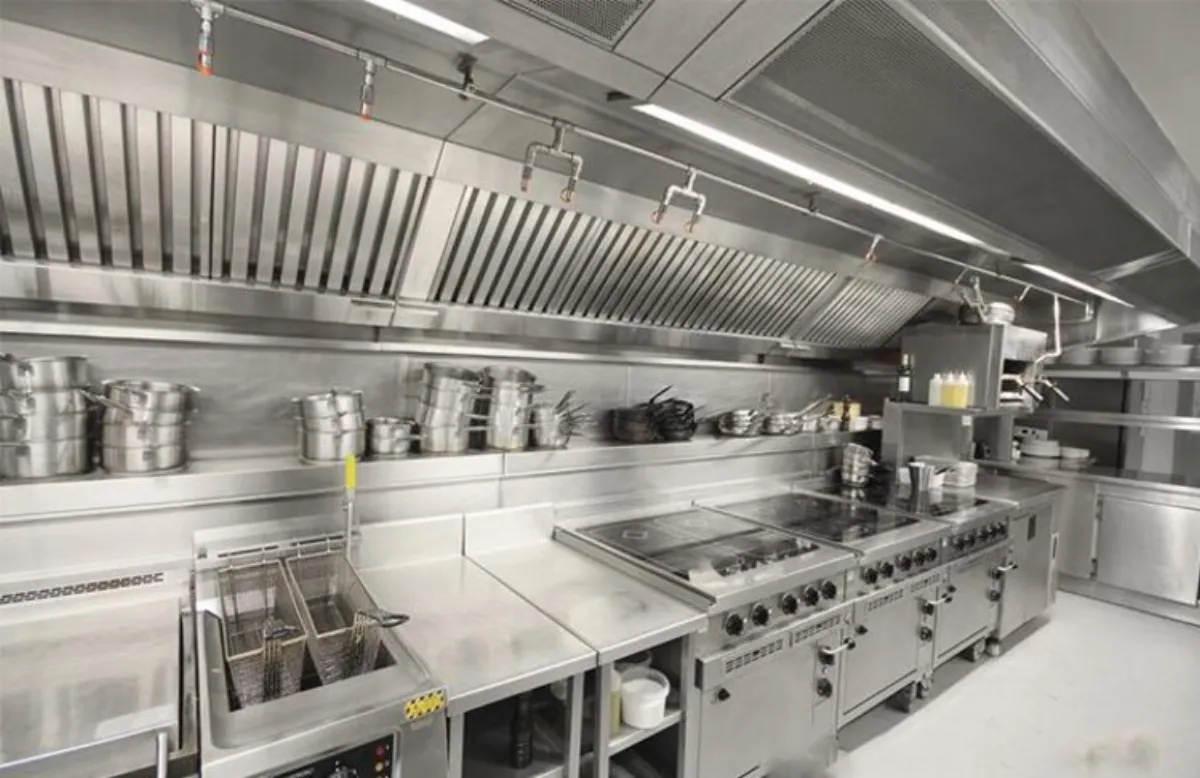
Hood suppression system inspected by certified technician
96 §11.2
GB 50261 §9.2
Every 6 months
2
Fusible links and nozzle caps intact — no corrosion or grease buildup
96 §11.3
GB 50261 §9.3
Semi-annual
3
Manual activation device visible and unobstructed at kitchen exit
96 §11.6
GB 50261 §9.4
Semi-annual
4
Kitchen Class K extinguisher in working order (annual service)
96 §10.1
GB 50140 §8.3
Semi-annual
5
Exhaust hood and duct cleaning records — documented monthly
96 §11.4
GB 50261 §9.5
Monthly
6
Gas shutoff valve linked to suppression system release
96 §10.2
GB 50261 §9.6
Annual test
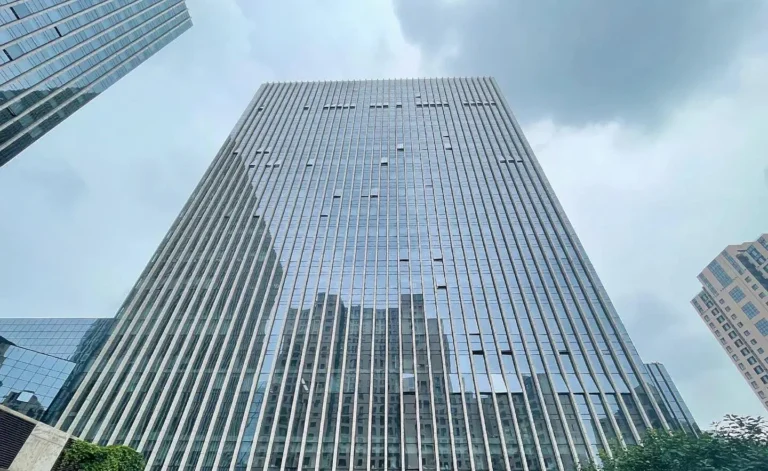
2.7 High-Rise Specific Requirements (≥ 75 ft / 23 m)
#
Check Item
NFPA Ref
GB Ref
Frequency
1
Standpipe system — pressure and flow test
14 §4.3
GB 50016 §7.2
Annual
2
Stairwell pressurization fan test
92 §5.2
GB 50016 §8.5
Semi-annual
3
Fire command center equipment functional
101 §9.7
GB 50016 §6.2
Monthly
4
Emergency voice/alarm communication system
72 §24.3
GB 50116 §7.5
Semi-annual
5
Elevator fire service recall (phase I and II)
72 §21.3
GB 50016 §7.3
Annual
6
Smoke control system — zone pressurization test
92 §5.5
GB 50016 §8.5
Annual
3. NFPA vs GB Standards: Key Differences Hotel Operators Must Know
For hotel projects where NFPA (US) and GB (China) standards both apply — common in Chinese-invested overseas hotels and international chains in China — understanding the differences prevents costly redesigns.
Aspect
NFPA
GB
Impact if Ignored
Sprinkler spacing in corridors
12-15 ft centers
2.4-3.6 m centers (similar)
Generally compatible — minor adjustment
Fire door rating
20-minute (1-hour in stairwells)
0.5h-1.5h depending on application
GB requires higher ratings for some locations
Detector placement
Spacing ≤ 30 ft per detector
Spacing ≤ 8 m per detector
NFPA allows wider spacing — adjust design for GB
Egress width
Based on occupant load × 0.3 in/ft
Based on 0.6 m per 100 persons
NFPA allows narrower exits
Kitchen hood cleaning frequency
Monthly for exposed grease
Varies by local code — typically quarterly
NFPA is stricter — follow NFPA for safety
Fire command center
Required for high-rise only
Required for buildings > 50 m
GB triggers command center at lower height
Standby generator
Not explicitly required for all hotels
Required for Class I buildings
GB has stricter backup power requirements
The practical implication: If you design to NFPA alone for a hotel that will also need GB compliance, you will likely need to retrofit fire doors, add standby power, and expand the fire command center. A dual-code-aware supplier prevents this.
4. How Often Should Each System Be Checked? — Frequency Summary Table
System
Governing Code
Monthly
Quarterly
Semi-Annual
Annual
Fire Alarm Panel
NFPA 72 / GB 50116
✅ Visual
—
✅ Battery
✅ Detector test
Sprinkler
NFPA 25 / GB 50261
—
✅ Valve inspect
—
✅ Flow test
Extinguishers
NFPA 10 / GB 50140
✅ Visual
—
—
✅ Service
Emergency Lighting
NFPA 101 / GB 50016
✅ Test
—
—
✅ 90-min test
Fire Doors
NFPA 80 / GB 12955
—
—
✅ Close test
✅ Full inspect
Kitchen Hood
NFPA 96 / GB 50261
✅ Grease clean
—
✅ System inspect
—
Standpipe (high-rise)
NFPA 14 / GB 50016
—
—
—
✅ Flow test
Smoke Control
NFPA 92 / GB 50016
—
—
✅ Fan test
✅ Zone test
Total inspection hours/month
~6 hrs
~8 hrs
~12 hrs
~24 hrs
5. Documentation Requirements — What AHJs Actually Want to See
The single biggest compliance gap in hotel audits is not equipment failure — it is missing documentation. A functional system without inspection records is treated as non-compliant by most AHJs (Authority Having Jurisdiction).
Required documents for NFPA compliance:
Document
Maintained By
Retention
Sprinkler inspection, test, and maintenance records (NFPA 25)
Fire protection contractor
5 years
Fire alarm test records (NFPA 72)
Fire alarm company
5 years
Extinguisher annual service tags (NFPA 10)
Extinguisher company
3 years
Kitchen hood cleaning logs (NFPA 96)
Kitchen / Facilities
2 years
Emergency evacuation drill records
Hotel safety manager
3 years
Fire door inspection logs (NFPA 80)
Facilities manager
3 years
Monthly fire watch logs (if system impaired)
Security
Until next AHJ inspection
For GB compliance, add:
– Building fire safety acceptance inspection report (建设工程消防验收报告)
– Fire protection system annual testing report (消防系统年检报告)
– Fire equipment maintenance contract (消防设备维护保养合同)
6. The Cost of Compliance vs. The Cost of Non-Compliance
Investment in compliance:
System
Annual Cost Range (per hotel)
Fire alarm testing + monitoring
$3,000 – $8,000
Sprinkler inspection + testing
$2,000 – $6,000
Extinguisher annual service
$500 – $1,500
Kitchen hood system inspection (2x/year)
$400 – $1,000
Fire door inspection
$300 – $800
Emergency light + exit sign testing
$200 – $600
Documentation management (internal)
$1,000 – $3,000
Total annual compliance cost
$7,400 – $21,000
Cost of non-compliance:
Violation
Typical Fine
Insurance Impact
Blocked fire exit
$500 – $5,000
Premium increase + deductible rise
Expired extinguisher (6+ months)
$1,000 – $3,000
Claim denial risk
No kitchen hood inspection record
$2,000 – $7,000
Kitchen fire claim denial
Non-functional fire alarm zones
$5,000 – $15,000
Premium increase 25-50%
Missing annual sprinkler test
$3,000 – $10,000
Claim cap reduction
Bottom line: A full NFPA 101/GB 50016 compliance program costs roughly 0.1-0.3% of hotel annual revenue and reduces property insurance premiums by an average of 15-25%.
7. How Omnifir Supports Hotel Fire Safety Compliance
Omnifir provides fire protection design, equipment supply, and technical support for hotel projects across both NFPA and GB jurisdictions. Our hotel fire protection experience spans Asia, Africa, and the Middle East.
Cross-standard design: NFPA 101, GB 50016, and local codes — coordinated into a single compliant design package
Equipment supply: Sprinkler systems, fire alarm panels, extinguishers, kitchen hood suppression, standpipes, and smoke control — all from one supplier
Interested in a compliance-ready system for your next hotel project? Contact us for a preliminary system recommendation within 48 hours.
FAQ
Q: What is the difference between NFPA 101 and GB 50016 for hotel egress?
NFPA 101 requires egress width based on 0.3 in/ft of occupant load, while GB 50016 requires 0.6 m per 100 persons. In practice, GB standards generally require wider exits for the same occupant load. Design to the stricter standard when both apply.
Q: How often should hotel fire extinguishers be replaced?
NFPA 10 requires replacement every 12 years for dry chemical extinguishers (6-year internal maintenance at mid-point). CO₂ extinguishers last 12 years. GB 50140 specifies a 10-year service life for dry chemical extinguishers. Check the manufacture date on the label.
Q: Do I need a fire command center for a 20-story hotel outside the US?
NFPA 101 requires a fire command center for buildings ≥ 75 ft (23 m). GB 50016 requires one for buildings ≥ 50 m. If your hotel is 20 stories (approximately 60 m), both codes require a command center. If the local building code does not explicitly require one, install one anyway — it significantly improves emergency response coordination.
Q: Can I use Chinese-standard (GB) fire doors in an NFPA-jurisdiction hotel?
Only if the doors carry equivalent UL or FM certification. GB 12955 fire doors are not automatically accepted by US AHJs. Omnifir can source doors that carry dual GB + UL certification for cross-standard projects.
8. Decision Engine: Which Compliance Path for Your Hotel?
If your hotel is in the US → Follow NFPA 101 strictly. Ensure all inspection contractors are licensed and NFPA-certified.
If your hotel is in China → Follow GB 50016 and its sub-codes. Work with a local fire protection engineering firm familiar with acceptance inspection (消防验收) procedures.
If your hotel is overseas but Chinese-invested → Design to both NFPA and GB standards simultaneously. Use a cross-standard supplier to avoid costly mid-construction redesigns.
If your hotel is under 3 stories (not high-rise) → Egress, sprinkler, and alarm requirements are less stringent — but kitchen hood, extinguisher, and documentation requirements remain the same.
If you are renovating an existing hotel → Confirm your current systems match the currently adopted edition of NFPA 101/GB 50016. Code editions are updated every 3-5 years.
Hotel Fire Safety Audit Checklist — Orvia (Industry reference)
NFPA Fire Protection Handbook, 21st Edition
If You Only Remember One Thing
Fire safety compliance in hotels is not about passing an inspection — it is about keeping guests safe in a building they do not know, in a country whose emergency procedures they may not understand. Accept nothing less than full compliance with both the governing code and the spirit of the code.
What is the difference between NFPA 101 and GB 50016 for hotel egress?
NFPA 101 requires egress width based on 0.3 in/ft of occupant load, while GB 50016 requires 0.6 m per 100 persons. Design to the stricter standard when both apply.How often should hotel fire extinguishers be replaced?
NFPA 10 requires replacement every 12 years for dry chemical extinguishers. GB 50140 specifies 10 years.Do I need a fire command center for a 20-story hotel outside the US?
Both NFPA 101 and GB 50016 require fire command centers for buildings over certain heights.Can I use Chinese-standard GB fire doors in an NFPA-jurisdiction hotel?
Only if the doors carry equivalent UL or FM certification.
Three Things to Know – Heavy industry fire protection in remote, resource-limited locations demands a fundamentally different approach — adapt international standards to local site conditions rather than force-fitting a developed-market design. – Modular, prefabricated…
Why Choosing the Right Fire Suppression System Matters Choosing the wrong type for your environment can mean equipment damage, regulatory fines, or worse — system failure during an actual fire. Each system type is engineered…
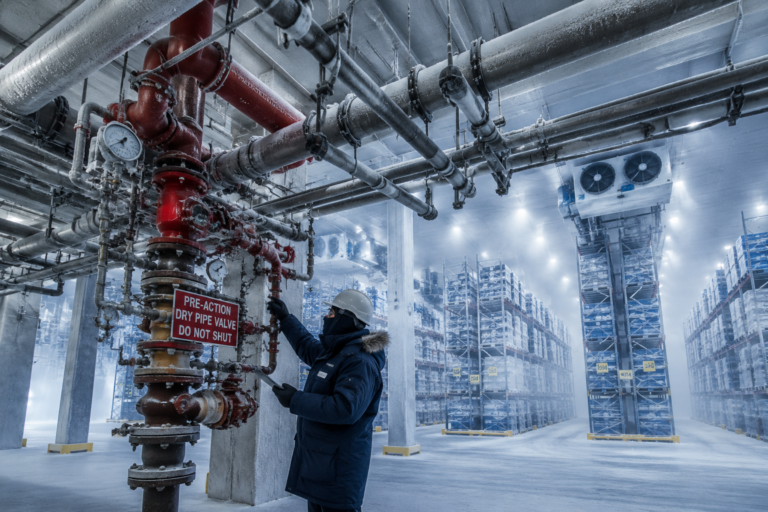
Cold Storage Fire Protection at -38°C: Engineering & Compliance Guide Key Takeaways Standard wet-pipe sprinkler systems fail at sub-zero temperatures because water freezes in pipes, causing blockages and burst lines Dry-pipe and pre-action sprinkler systems…
Why Gas Suppression Is the Standard for Data Centers Water-based sprinklers are the default fire protection for most buildings. For data centers, they are the last thing you want. A sprinkler discharge can destroy servers,…
Key Takeaways A smart fire protection cloud platform transforms hotel fire safety from reactive alarm-response to proactive risk prevention using IoT sensors, edge computing, and AI analytics The three-layer “Terminal + Edge + Cloud” architecture…
Key Takeaways 1. What Is a Kitchen Hood Fire Suppression System? A kitchen hood fire suppression system is a pre-engineered, automatically activated fire extinguishing system built into a commercial kitchen’s exhaust hood, ductwork, and cooking…
Manage Consent
To provide the best experiences, we use technologies like cookies to store and/or access device information. Consenting to these technologies will allow us to process data such as browsing behavior or unique IDs on this site. Not consenting or withdrawing consent, may adversely affect certain features and functions.
Functional
Always active
The technical storage or access is strictly necessary for the legitimate purpose of enabling the use of a specific service explicitly requested by the subscriber or user, or for the sole purpose of carrying out the transmission of a communication over an electronic communications network.
Preferences
The technical storage or access is necessary for the legitimate purpose of storing preferences that are not requested by the subscriber or user.
Statistics
The technical storage or access that is used exclusively for statistical purposes.The technical storage or access that is used exclusively for anonymous statistical purposes. Without a subpoena, voluntary compliance on the part of your Internet Service Provider, or additional records from a third party, information stored or retrieved for this purpose alone cannot usually be used to identify you.
Marketing
The technical storage or access is required to create user profiles to send advertising, or to track the user on a website or across several websites for similar marketing purposes.